
.png?width=300&height=74&name=MorelandU-logo-WH-RGB%20(1).png "Moreland University Logo")
Front of the Class Podcast | Feb 12th, 2026
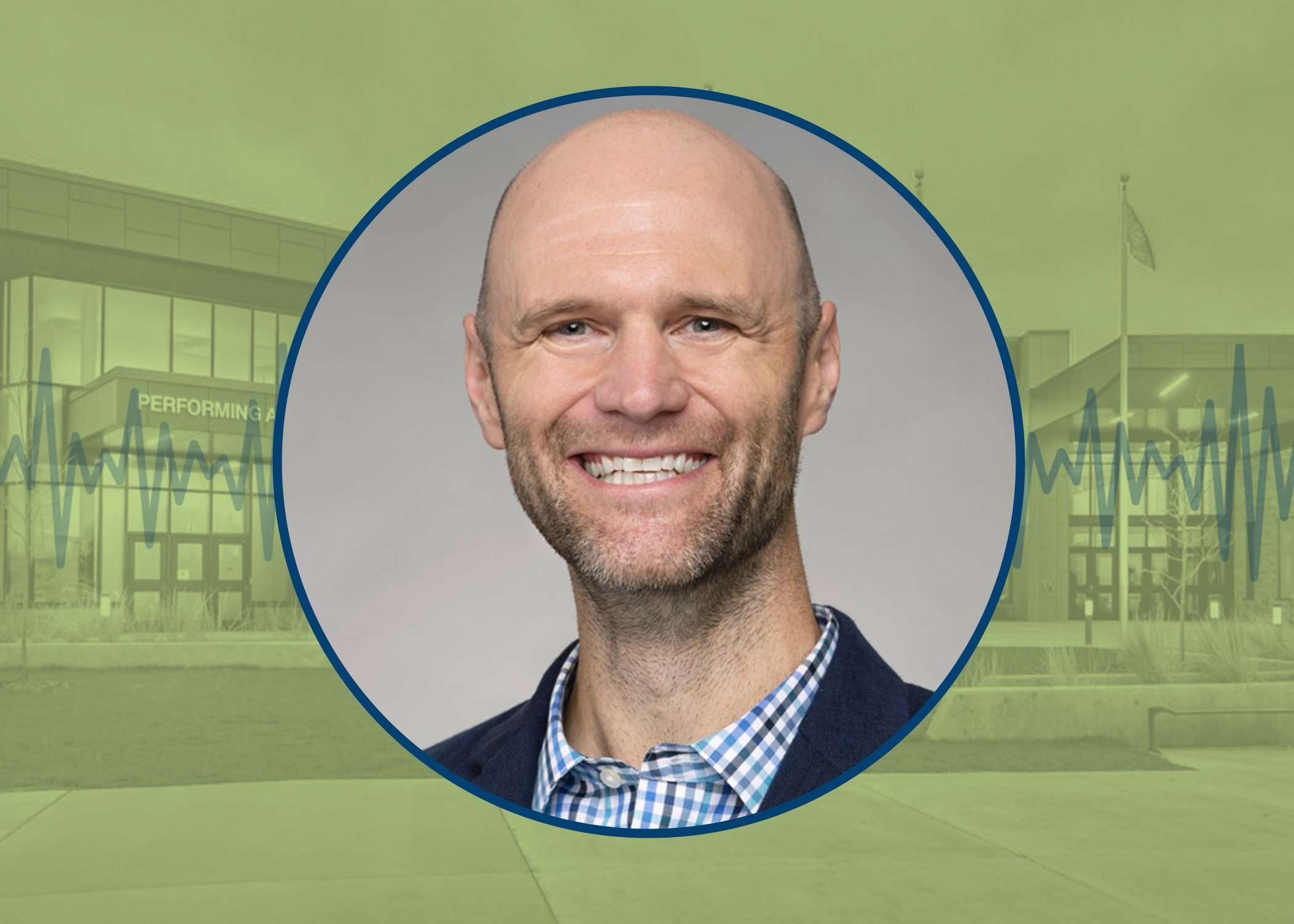
Teaching Real-World Skills with 2026 Wisconsin Teacher of the Year Joel Coyne
In This Episode
How do you prepare high school students for the realities of work, collaboration, and leadership before they enter college or the workforce?
2026 Wisconsin Teacher of the Year Joel Coyne uses his classes to connect them with businesses and nonprofits to make a real impact on their community.
In this special topical episode, Coyne explains how real-world expectations, consistent feedback, and strong classroom culture help his students rise to the occasion and feel truly prepared for life after school.
Key Topics Covered
- How partnering with businesses and nonprofits creates authentic learning experiences
- Why removing prerequisites can encourage student growth
- Teaching professional communication, feedback, and accountability in real-world and classroom settings
- Balancing high expectations with genuine support
- How classroom culture drives student confidence
- And more!
Episode Guest
Listen Now




Episode Transcript
Please note, this transcript is generated by AI and may include some errors.
Spencer Payne: Okay, welcome to another episode of Front of the Class, Real Stories from Real Educators. Our real educator today is Joel Coyne. And Joel, can you give us a little introduction? Maybe a little, what do you teach? Where do you teach? How long you've been doing it? Fun facts? However you like to take that. How do you introduce yourself to other educators?
Joel Coyne: Okay. Sure, thanks for having me on here. My name is Joel Coyne. I teach high school business marketing in Sun Prairie, Wisconsin at Sun Prairie East and West High School. I actually split my time and I'm the 2026 Wisconsin Teacher of the Year.
One of the things that I think kind of is unique about the things that I teach is I teach, we've got an academy model that we started here in Sun Prairie and I teach the business and marketing and there's actually two different courses there where students are into a business class and partnered with an English credit and we are running kind of like a little consulting business where they get to engage in, I don't know, different kind of projects and within the community and businesses, nonprofits alike, and they get to do some really deep dive in information, real work. So it's pretty fun.
Spencer Payne: Yeah, cool. On that note, can you share first of all, congratulations on your recent award win? That's awesome. And then second, can you share how long have you had this kind of, you know, consulting kind of project based thing going for your students? And can you share a little bit a little bit about the hook or a couple hooks of like, are some of the things that they've actually delivered or some of the businesses that you're working with? Can you give us a little bit more context of like, you know, what would be the what would be the hook there of like, how long you've been doing this? And what are some of the wins or companies you're working with things like that?
Joel Coyne: Thanks.
Yeah, super cool. it started, the idea started pre COVID. So we started kind of like working on this idea, visiting a couple other school districts around the country that do the similar ideas. And we thought, how can we bring this to our district? And we started with what we call the Business Leadership Academy. It's a two credit class that is business and English. And we went out to different businesses and we said, we've got a population of students, juniors and seniors that are really excited and want to be able to do authentic work.
And so we pitched them as like, we've got a team, they're going to work for you on a project that probably isn't tier one, tier two, tier three, like, but something that is real that could have an impact on their organization. Right. And we pitch as like, they're going to work for you for a semester. And at the end, they're going to deliver all this stuff and it's going to be a good experience for both you and for the students, right. It's a partnership rather than just like a one-way takeout.
Since we launched that, we've worked with I think it's 85 different partners ranging from really multimillion dollar companies like truck bicycles. At one point we did one for Google, but more recently it's been, we did a large project for Milwaukee Tool and then a lot of smaller nonprofits. There's a nonprofit here in our town that helps women and children facing homelessness, right? And we were able to partner with them and make real impact. And that was pretty cool.
We've done large projects and we've done small projects and just a range, right? We meet the partners where they're at and figure out how we can meet the curricular needs that we have and also the expectations that they have that works with their business.
Spencer Payne: Yeah, and would you mind sharing a little bit of maybe some of the projects that were being worked on? Maybe what was the scope or maybe some of the results that the kids were potentially able to achieve? So what can you share there?
Joel Coyne: Yeah, so let me give a, let me give an example. So one of the projects for a nonprofit was shelter from the storm. there's great organization nonprofit that helps the women and children facing homelessness. and we had a team of, of three wonderful young women that, that set out to help, kind of run and organize and market, their fundraiser, which was a, they call the purse bingo. And so they sought out, sponsorships. They sought out items for a raffle item, silent raffle, and then help to run it. And in doing so, there's a lot of components there, right? And was over the course of semester. At the end, they held this big bingo event that ended up raising $10,000, right? And it was just like this moment where the work transcended everything, right? The impact that they were able to have for the lives in the community, it was more than anything. So that was one really big one.
Spencer Payne: Yeah, I definitely never worked on anything real in high school that led to raising $10,000 anywhere. So that is an incredible achievement. Well done. And I'm curious now to dig in a little bit on the front end. When you have these students at the beginning of a school year, guess I'm curious, what kind of skills do they have in business or setting up events or fundraising or emailing?
So I'm curious, like what kind of background or maybe what prerequisites do you expect maybe from students before they come into your class to do this? And if none, then like, what do you do in your first month or two to kind of get them prepared to be able to deliver something like that? So what goes into that molding of the students to the point where they're ready to go engage with a client or go kind of run an event or do these types of things?
Joel Coyne: Yeah, so there's a couple of things. One, we don't have any prerequisites. That was a deliberate kind of intentional piece put into the curriculum that said, even if you haven't done this, we still welcome you because we think that this is a valuable experience for everybody to have, right? And so anybody and everybody can take it. And we do. We get students that have been in many different classes, but then we've got ones that this is their first time. And it's great.
That first couple weeks, we try to jump right in and not into the projects with the business partners, but we try to kind of mimic what it would be. So we've got like a school store. So we're going to do a project that revolves around the school store. So putting the realness right up in front to mimic, like we have a real client, real expectations. And here's what, you know, we'll be coming down the line and try to build that in. It is early presentations. It is early communication. We'll talk about, here's how you write an email. Here's how you set a calendar invite, right?
Because a lot of those things just are not intuitive, right? Because we've never done them as students. And then kind of to talk to the partners, we also make sure that they are understanding that this is a learning situation where it is students and there's going to be learning along the way. We ask the partners to give them feedback, right? That's where the learning happens. So when emails go off and they forgot a subject line, which we've all done, but
You know, it's those things that, well, we got to learn somehow. And this is the place to learn it, right? Here's the place where you can learn it. The costs are low enough where we can correct the mistakes and they won't make them again. And then when they get their job, right, in that first career, they know it and they're a little bit further ahead and it goes a long way.
Spencer Payne: Can you can you get I'd love to dig into this a little bit more of no prerequisites and now in the first month or two we're learning again maybe some basic how do I write an email like how do I do this and not sound starry right like I mean just very basic things that like once you're when you've been doing this for a long time seem basic but when you're in 11th grade or 12th grade might be completely foreign or new to you like can you share a little bit more about like
How do you set that expectation upfront with those students of what to expect of like, are you extremely direct? you like, you might hate me for the first two months, because I'm gonna be, I'm trying to get you to a place and you're probably not there. Like, can you share a little bit more about like how you prep that up to create a culture where they are open to feedback in the name of them improving and getting better, especially when they don't necessarily have prerequisites. So you don't know exactly what you're getting up upfront.
Joel Coyne: Yeah, so words matter, right? And set in the tone and the expectations is really important. We always treat it as like you are, you are fortunate to be here, right? You, this, this is an opportunity that you have and you are special and you get this opportunity and we are going to help you along the way, right? It is a partnership and we want you to succeed. And I think part of that is when they know that there's going to be high expectations, we like we all do, we rise to the occasion, right?
So we're going to do better when we know it's real, when we know it matters, when the expectations are high. And so setting that right away from the get-go is critical. But then rewinding is like, we need to assess where they currently are so that we can address those things. that's like, early on, we'll give at least two or three kind of like hypothetical projects. Like you would do in a lot of different classes, like, hey, here's a scenario. Make me a presentation, right?
But early on, we're going to give some some direct feedback in so that they are prepared. It also helps us navigate. when our when we get our real projects with our businesses, we are able to thoughtfully put students into those groups so that they can actually be successful with people that are going to complement them as opposed to like we are all lacking this one thing or we're all here. And so trying to balance that out is really going to be the critical piece that we're trying to evaluate early on. But we're into our projects within the first six weeks of the semester, and then it runs through to pretty much the last day of the semester.
Spencer Payne: Yeah. And, and, like, can you share a little bit more of like, how do you how do you phrase that first six weeks? Right? If a student is has done something that you're just like, this is this is not good enough, right? Like, just for I just love to get into the real weeds of this, right? Like, how, how do you go about giving that feedback, especially within the context of, you know, you're trying to show kids how to do something that they've never done, they've never done before.
But you said high expectations. You're also trying to make sure that when you're in front of Milwaukee tool or Google or somebody that like those little things that you're doing now, you cannot do that in front of them. So like, can you share a little bit more of like maybe a tough situation or feedback that you've given and like, how do you go about that? How do you phrase that? How do you help bring the kids along while also making sure that they feel supported, but know that, hey, this still isn't good enough. The standard is up here. Cause sometimes that can be a tricky balance to hit.
Joel Coyne: Yeah, man, it's it's hard to give the example where it is piece by piece, but as best I can. We are going to get presentations in front of the entire class, right? And everybody is going to get to hear the feedback and it's not to be rip anybody apart, right? That is never the it's the build up, right? So it's all this phrase in a way like hey, when this happened, here's how it could have been done better. So for example, when you turn in and put your back to the classroom to point and talk to the board, right, which is like one of the things that we'll often see. That is how it presented to us. A better way to do it is to just stand there, make sure you're addressing the audience and projecting your voice. How do you speak with confidence in all those things? It's a lot of repetition, it's a lot of practice, and it's a lot of feedback and saying like, here's how it could be done better, right? And also your clients are expecting that and your teammates are expecting that here's how it's gonna actually look.
It's repetition over and over again and you build up, right? So we don't allow no cards, for example, right? So you're have to be able to stand there and deliver and stay confident and be able to tell a story that doesn't come naturally for most people, especially that early stage. So it just takes repetition.
Spencer Payne: And with those high standards, since you've been doing this for five or so years, what would be your summary after five years of holding high standards? you ever going into this, like, I wonder if they can meet them? Holy cow, they're meeting them and blowing away whatever I thought was possible. What's been your take after five years of what you've seen here, of what these kids are capable of when you have those high expectations set for them?
Joel Coyne: I would say yes to both, right? There are times where we're like, man, I don't know how this is going to go. Like, I don't want this to crash and break. I think, and actually I said it today, we, we don't want to put anybody up in front of a situation where they're going to fail because that doesn't feel good for anybody. Right? So like in order to make that happen so that you can feel proud about the work that you're going to do, and proud about the, you're going to put forward to this client, we need to practice and we need to like get better and, and holding people accountable happens because of the opportunity that they have, right? You get to go to the business, you get to present in front of these people, and your work matters.
But if you can't, like, we haven't really had to, like, withhold the threat of, like, you're just missing the mark and just not able to present, they're always able to present, they're always able to learn. And this environment is where it should happen, right?
If you go to your first job and you're going to get the direct feedback from your boss, that's a tough time to learn. That's a tough time to learn. Instead, if we can give you the feedback now so that when you get there, you're going to look like an all star. I mean, it's a difference maker. And we've had students that have since gone through the program, now are in college or even now into their into their early careers or internships. And they're seeing the success because they have done it right, because they have experienced it before.
They've lived it. They know what to expect. know where the expectation lies. And that kind of builds a self-fulfilling prophecy of like, this is a special class. Even if there's no prerequisite, we were here and we're fortunate to be able to have this opportunity. And so we're going to take advantage.
Spencer Payne: Yeah, perfect. Are there any specific tools, maybe websites, helpers, videos you watch of people who have given a great speech and then you kind of dissect them? Are there any specific tools or things that you have used that seem to really help with the student's understanding? like, this is an example of what a really good email sounds like or looks like, or this is what example of a really good presentation looks like. Any tools, any specific examples that you've shared that seem to really resonate with the kits.
Joel Coyne: Outside resources, not really. So this is a Kotak class and I get to work with a phenomenal English teacher in both of them. So I've got two different English teachers and their expertise. I'm not going to lie. Like it is, they're wonderful. So when it comes to writing emails, they are the experts. However, the way that we've done it is we've done it enough times and we have. Sometimes there's templates that will lean on. And then because we've done it a couple of times, now we have examples of past presentations. So I was able to pull up last year's presentation of here's what the presentation looked like, here's how it was organized, here's what they did. Your content is going to have to adjust accordingly, but here's an idea on how they approach their work, right? When it comes to emails, it is a little bit of like, we're going to work through it, we're going to do some early emails together, and then after that, we're going to expect you to be able to write your emails in real time, respond accordingly.
And then we'll address them if they need be. it's, and it's the learning on the backend, but we have to trust them to be able to do it on the front end. And I think that's, we're okay with some mistakes. We're okay with some, some mistakes where it's like the subject line was missed or some spelling or grammar like is missed early on because that's where the learning happens. Moving forward. We are going to have those high expectations because that is learned. Um, we, we've already, we've already established this should not happen again. So.
Spencer Payne: Yeah, and how does AI come into some of this, right? Like, are you using it? Are you not using it? Because I can see how that could be good, bad, like, hey, use the prompts of chat GPT of, hey, take this email and now make it a little more friendly or pretend like I'm sending this to the CEO, what am I missing? Right? Like, is there a place where you're using that in some helpful way for some of the prompting? Are you not using it all? What's your approach there to AI with regards to some of this work?
Joel Coyne: It's worth tinkering is what I would say. In early stages, both as district, but then I would say our class is kind of trying to move the needle or figure out where AI lives in classrooms. will it write or even evaluate some of our emails? No, right? That's on the human element. lot of peer reveals teachers putting eyes on it, right? That is where that learning happens so that we can give that feedback and feel secure in what it is. For AI.
I'd say kind of more on the side of we're trying to use it as a thought partner. So a lot of the projects that they're doing, they're the projects that I would say a lot of adults know, where we don't have a clear rubric to say, this is exactly the way it needs to happen, right? Here's the path forward. And if you do XYZ, you're going to get the grade, right? Which is a lot of how things happen. We have a rubric that says you need to meet these standards, but how you get there is a little bit more in flux, right?
They're going to say, we want you to research the economic impact of our local ice arena. OK, so how do we do that? Well, we got to figure it out. And so now we can think about using AI and saying, like, well, what are the things that we might need to consider so then that we can go do it? Right. So it might create a little bit of the pathway, but then it's our students that are actually going to do it. Right. And so tinkering on the edges with AI playing around with it, not afraid of it, but definitely not like you're going to do this work for the students. The learning still needs to happen with the students.
Spencer Payne: Yep. Any, proudest moments after five years of doing this of things that you're just like, that was, that was one of the coolest moments in this whole experience. Anything rise to the top for you that you're able or willing to share?
Joel Coyne: Yeah, OK, so this is this is kind of breaking the news a little bit. So we earlier this semester partnered with for us. It's the Sun Prairie Education Foundation. It's this organization and their mission is to help students in the in the community rights for the kids. And they they raise a whole bunch of money from from businesses and organizations, and then they allow teachers and community members to write grants for the students. Usually it's teachers. Well, this year we we flipped the model.
And so we had our students partner with some local nonprofits and say, hey, local nonprofit, what is a need that you have? Right? And it was just like putting the students in the driver's seat to understand what the need is and then write the grants for that organization. And so we had our student teams, we had nine groups that met with all of our nonprofits. They tried to understand what the problem is, what their opportunity is, and then wrote a grant for this nonprofit. They submitted those back in October and just next week we're going to get the reveal. Like how many groups were going to get awarded money? And what's cool is if they get awarded money next semester they get to go implement whatever the idea is, right? So if we're partnering with the library and they want to bring in and kind of like do a nutritional element and trying to like healthy living, students understood the problem, write the grant, and now they're going to get to go execute that next semester. Like what awesome thing.
Spencer Payne: Yeah, yeah, nice.
Joel Coyne: So next week for us, we're going to be announcing that, and I heard the number that we, our grants were awarded somewhere in the neighborhood of $13,000. so community impact, and it's just going to be cool, right? It's going to be one of those celebrations that, and it'll be cool to take it the next step further and see it turn into reality. So that'll be fun.
Spencer Payne: Yeah, thank you for sharing that. That's good. Well done. Congratulations. And can you share a little bit more? Let's go back to the beginning. Five years ago, how did this start? Right? Is this your idea? Did you see somebody else do this at another school? How do you get you mentioned two other English teachers? How do you get other people involved? Did you have to go, you know, get some funding somewhere to be able to do this? Like, how did this all start? And what was your role in kind of getting this started at at your school?
Joel Coyne: Thanks.
Yeah, so early on, and I can't take credit for the initial idea, one of our people at our district office must have seen it somewhere and liked the idea and was like, I think we should bring that to our district. We've got an innovative district that is willing to take some of these risks. And so I was able to come on right from the early stages and really start crafting like how it is going to look for us. What we saw is how different districts do it differently.
We took tours and one of the early things that we learned is. You know, students are going to be. We want to make it authentic. We want to make it experiential learning. We want students to be able to engage in learning that goes beyond just the classroom, not just tests and quizzes or presentations and essays like we can take it beyond that we can. We can look at the educational model and think about a different way that allows our students to really go beyond and prepare them for the future.
So with that in mind we started to create our team. we've got, so I teach a business leadership academy. There's a marketing academy. I also teach and both of those are co-taught with an English teacher. We also had a, a food and agriculture and environmental science one. So it's like, how do we take some of the learning and try to export it to beyond just our four walls, right? How do we get the community involved and how do we get our kids into the community? So much more of a, of partnership there.
And so we in 2019. We just started kind of like thinking through the ideas. What could this look like? What would we need? Early on we had support from our district office and then we've seen some success and we the community has started to see some success and we know we want more of these kind of capstone unique opportunities for our students, especially in their junior senior year. And so the district amongst other things that they were going after put a referendum to the community that ultimately passed, but it was to support programs like this that are unique, that go beyond and kind of innovative approaches.
Spencer Payne: And can you share a little bit more too about getting those first businesses or nonprofits or whatever it may be on board? Like, did you hear no a bunch? Like, did you get immediately get yeses? Can you share a little bit more about your approach in those early days to getting folks on board? And, you know, did you have to fight through a bunch of no's before you finally got people to say yes?
Joel Coyne: It was, you know, I, this is my version of being an entrepreneur, right? So not starting a business, but starting a program. And yes, there, there's a lot of, approaches and I did have help, right? So early on, I had a couple of people that would help me, right? Get a, I've got, I know somebody who works here, right? I know somebody who does this. So I'd always take advantage of networking opportunities. And then sometimes it's just going and saying, Hey, we've got students. Did we get a couple of nos? Yeah. Did we get a couple of that maybe should have been knows a couple of those right there. The learning experience for the partners as well so that they knew what they were getting into. That may have been probably more of the learning that we needed to learn.
How do we pitch this idea to say here's what it looks like and here's what we need from you and here's what you're going to get out of it. It's not just free labor. There's you. You get to be a part of the school and that feels good and that is, you know, it's empowering for for your business for you.
And here's what we need from you. need time commitment, we need communication, we need a real project, and we need you to understand that there's going to be learning along the way. I would say that was probably the bigger piece that we had to like navigate a little bit more.
Spencer Payne: And if you could, if you could pick just like one thing, identify one thing that would take this, this, this very cool real world experience that you and others have kind of crafted here over the last five or so years and say like, ah, I want to take this to an A plus. If only we had this, is there, is there one thing that you're like, I wish we had this and we could really, we could really go take this thing to a, to another level. Is there anything you're missing or do you have everything you need?
Joel Coyne: I think two things. yeah. So there, think one, I think it would be really cool to feel like setting the tone for what the, class is, is to try to do it offsite, right? If you held class in, you know, kind of like a business setting, I think that would be, that would just set a different tone because when you're in the high school, you're still in the high school, right? You still see your friends and it just feels different. But if we were to like, transport and just be in a different space, I think that would be amazing. The second piece is really, it's just getting the word out more. We are always looking for more projects, more community partners, things that we can bring to our students. And our students do a great job. So it's just spreading the word and getting that word out is the hard part. It's a hustle to get those projects.
Spencer Payne: Yeah. And for, for other educators out there who maybe they don't have a business background, and this isn't the exact capstone, you know, real world quasi school project that they're looking to start, but they want to start something similar. Can you share a little bit of, again, lessons learned, a background of what was like, going back to that first year, that second year of like, we had a couple partners who they said yes, and they probably should have said no, or setting the stage. Can you share a little bit of maybe lessons learned for others who might want to start something. And maybe they're wondering how to start or what are some of the things that I'm probably going to fall into a trap and how do I avoid those? Like what advice might you give to others who are trying to go start something that has not necessarily been done before at their school?
Joel Coyne: Yeah, it is. It's fun, right? Getting the right backing, right? Probably the most important right from from your your central office district office. Those people and your building principles so that they not only can buy in but understand the parameters and what the project works like that buy in. And it's critical because it it looks different right? If you're in a scheduling purposes, it has to be scheduled different. Probably all of those pieces of the school side. Communicating that clearly and getting that buy in right. The counselors need to be able to talk to it for the students. The principals need to be able to buy in and be willing to to allocate some different resources accordingly. In same with the district office like it just needs to be buy in from the get go and then clarity around like here's how it will work and also a little bit of a runway right the for us. We initially started with three credits and we had an AP economics component to it.
And it turned out like the AP world and what we were trying to do was just too different and they didn't speak to each other very well. Right. It was tough to coordinate the clear overlap. so learning from that, we had a, we had a shift, we had a pivot. And so having a little bit of runway to say, we're going to try this year one. We're going to learn, we're going to learn a whole bunch and we need to be able to have the flexibility to learn and adjust and then build it back up right, and it just takes time. Also understanding that the numbers of students that are engaged in this kind of project might look a little different compared to like a traditional class where you just have like a this class this hour and the next.
Spencer Payne: Yeah, actually on that note of numbers, can you share a little bit of maybe that first year of how many students opted in and maybe how many business partners did you have kind of lined up who said yes? And then what does that look like over time? Like what does that look like today versus what it looked like in that first year when you first started?
Joel Coyne: Yep, first year we had one Academy. It was the online so that was all COVID and just you know wild times. We had. I have different projects, 20 different students or 20 students. So four projects of four for students per team today with the Marketing Academy and the Business Leadership Academy. We have I think it's 75 students between the two and projects that are currently happening. is, is growing.
And frankly, we, we want it to grow more with an understanding of like, there is certain, certain parameters that we can actually do this effective, right? You can't grow too big with, with so many people. So keeping it within check, but yeah, it's, it's big. It's, it's not, but it's, it's really cool. and as we like add this like new Academy of the marketing that came in two or three years later, that one's blossomed into its own, like unique.
Spencer Payne: Wow.
Joel Coyne: approach and so we're able to do different things but serving both the school district kind like our athletic team we do marketing there but then the larger community as well.
Spencer Payne: And what were you doing before teaching that put you in a position to be effective at something like this? What was your prior career?
Joel Coyne: So this is my second career. I graduated with a marketing degree from UW-La Crosse. I started working in business world, right? And I was a project manager or assistant project manager for a company. And that was around the 2008 timeline. And when the economy crashed and we had our recession, I lost my job. And I was like, you know what? I need to do something different. I get a chance to, kind of a rare opportunity to really pivot.
At the time when I was working at the the business, I started coaching swimming, which is kind of one of my one of my passions. And I was like, I really like working with kids, right? I like this age group. I like what I'm able to do. I feel like this is where my skills and my talents really lie. And so decided to make a pivot, go back to school, get my teaching license, and then was able to bring that in that background knowledge into the classroom in a unique way. Right. So everybody's got their own story, but taking those couple years from graduating college initially with my marketing degree to working to kind of going back and deciding this is my pathway. I think that growth and the experiences that it brought me have definitely served me and my students in the current role.
Spencer Payne: Yeah. And thank you for sharing that. And congratulations again on the growth from 20 students when you started these programs to 75 or so this year. That's incredible. And I'd love to also share the context too of like, you haven't just been teaching for these five years, like you've been teaching for over a decade now at this point. Can you share, I'd love to dig in a little bit of some of the stories along the way in terms of your total, the entirety of your educational career so far.
And in working with high school students, sometimes there are some really funny moments that things get said in classroom. Can you share any wildest, craziest, funniest moments, I can't believe they said that type of things, again, that you're able to share, that you can recall or that you're allowed to share over the decade plus that you spend in your teaching career?
Joel Coyne: All right.
I mean, that's the thing about education, right? And I will just say like, wife works outside of education and like, the stories that I get to share are very different, The dinner table has different conversations when I tell my stories. So I used to teach for several years, I taught freshmen business and marketing. And one of my favorite courses was this career workshop class and students would go through the career process from application to resume.
Spencer Payne: Hehehehehe
Joel Coyne: an interview at the the company and we'd bring in these volunteers from the community to be our mock interviews. And it was also really good experience, right? It's kind of was the Genesis for for how we got to our ideas like bringing authentic learning into the classroom. Well, one of these days and we'd ask our students, hey, we'd like you to dress up and treat this like a real interview and they would dress up, you know, and they're freshmen. So it's. It's always a wide breath and that's great, right? That's fine. I remember one boy and he was he was so nervous and he was.
He did not want to dress up, right? But he got some clothes, um, and he, and he comes and he does the interview and after the interview, we had this little side room and they were able to go and just like relax, right? He did your thing now, just like hang up. he does his interview, comes on back to the side room and I just, I kind of like following them like, Hey, how do think it went? And he's like, he sits down and all of sudden he walks in, he's taken off his dress pants. And I was like, Oh my God, what's happening here?
Luckily he had pants underneath and he had a shirt underneath his shirt and it was just like he just could not wait to get out of his dress clothes that it was just like it could not wait another second. And I was like, this is not going to happen in any other place than in a school. was just, it was phenomenal. It was like, and so, you know, you can't make that stuff up.
Spencer Payne: Yeah of pants on under the pants. One thing I do remember in those high school days is we all like I played basketball. We always had like even in junior high, always wore basketball shorts under your jeans because you never know when a game is going to break out. You just never know. You got to be ready. that's awesome. And anything, anything that, again, over a decade plus or so in the classroom, like anything that you do that seems to work really, really like really work well for you.
Joel Coyne: Under.
Exactly. Yep, you gotta be ready. I was on the ready. And this boy was ready.
Spencer Payne: And maybe you're surprised other teachers or other educators don't do that thing that you do that seems to work really well for you. So is there anything that you do that's part of your secret sauce? You're like, man, I do this. I don't understand why more people don't do this. It works really well for me. Anything stand out for you.
Joel Coyne: Yeah, and actually I take this from when I was coaching. So I coached for high school for boys swim for, I don't know, 10, 12, 15 years. Uh, and I, and I started there and I brought it over to the classroom and it's been phenomenal. So, um, on Fridays we call it Friday cafe and we'll bring in treats. Um, sometimes we rotate and we've got this, uh, this traveling trophy that, that early on the teacher will pass it to a student and then it gets passed around from student to student. And it, and it's great in like, it's this little goat for one of them and it's a Bob Ross for another one. It's just a silly trophy that we just passed along. But that's fun, right? And that's really fun and the kids appreciate getting it. I think the thing that's actually better is we have them do shout outs for one another. So every kid on a Friday, when they're eating their muffins or donuts or whatever, they have to write out a shout out. Who are you going to shout out? Who are you going to uplift? Who are you going to give a pat on the back to and shine a light on to say, this person did really good work or helped me or did something that stood out to me. And it's genuine, it's authentic, and everybody appreciates being seen and felt.
And we also, as teachers, are giving them out to students. it creates a little bit of an environment where we celebrate the wins. And celebrating the wins, man, if we can do that in every class in a more visible way, as opposed to just seeing your grade, like, let's celebrate those wins a little bit more concretely and a little bit more visibly. It sets the tone. It sets the culture for what we want to do. And culture is everything. Culture is everything in our classroom.
Spencer Payne: that's a great example. And I've heard, can't remember who says someone I follow said something like, know, if you see something good in the world and you don't go tell that person that they did go to that you saw it or that you appreciate it, like you're withholding good in the world, right? If you see, go, go tell them, just go say it's like you are withholding the good. If you don't say it, if you're thinking it, just go say it, give that shout out. You don't have to be prompted. Like just go say it. and as a really, yeah.
Joel Coyne: I love that, I love that, I'm gonna steal that. That's fantastic.
Spencer Payne: Go right ahead. And on another note of you we're talking fun stories and like shout outs and things like that. Excuse me, but sometimes, you know, I mean, sometimes you have a bad day, you have a bad week, kids acting up. There's a fight in your class. I mean, sometimes just like this is this is hard. Like, I'm curious to explore a little bit like when you have one of those really hard days, hard weeks, maybe it's the whole class you had that year, just it's just you're not jiving with them for whatever reason that year, whatever it may be like
How do you bounce back? Like, how do you show up with the same level of energy the next day, even when you're like, man, yesterday was rough. Like, what are the things that you do to fill your cup and how do you kind of bounce back after, you know, a rough day, rough week, whatever it may be? Because, you know, there's other teachers out there who might be wondering, geez, this is all just sounds too easy, Joel. But like, sometimes it's hard. Like, what do you do when it's hard? Yeah.
Joel Coyne: because it isn't easy, it is hard. And yeah, we can't, we can't get ourselves. Yeah, those days are, those days happen, right? And sometimes those weeks and months and classes happen. Like it is, it is the reality. And I think it's a disservice to say anything other than it is a hard job and there are hard days and hard stretches. And we all have those. There's, there's a couple of things that I do. One is, you know, I've, my family's probably first and foremost, unapologetically, unapologize say like that's where my my priority always is right with I've got a wife and a beautiful child and and that's what's most important so like if as long as I can center on like I'm doing this and for me it's like centering around like my we live in the district so I want to make the schools better for my son when we when he gets to that age and so that's part of it but then also it is and teaching has this sometimes can have this and I felt that where you're feeling like you're on an island right when you're feeling like I am the only person in this room and it's hard, right?
And you're like, I don't know where to turn. I don't know what to do. And in those cases, the biggest thing is like, listen, um, you know, the phrase, takes a village, right? It couldn't be any more true. And we need to have a little bit more of like that, that mentality. And so I lean on my co-teachers, right? Or, or teacher mates, right? So we'll go over to their house and like, we will problem solve in it is.
There is a shift right from complaining and doing anything bad to like, are trying to like make each other up and lift each other up and build each other up. That is the approach that I've done. Right. The people that I work with, and I choose to keep in like my circle and lift me up are the ones that are going to bring the positivity. I don't think anybody can do it by themselves. And if you can, it's going to, you're going to burn out. feels like it. So how do you find the people and bring other people in and bring other people with you? For me, there's, there are a few people that I will always lean on that say like, hey, this is tough. We're going through it and then just like working through it together. But the people is what matters to me.
Spencer Payne: Yep, perfect. And one more longer form question before we get into some rapid fire quick hitter stuff. But at the end of the school year, how do you kind of judge for yourself? How did I do this year? Am I making this district better for my son? You know, you could look at test scores, you could look at what you can look at a lot of different things. Like if you just had your own power to just judge your your performance kind of at end of the year of like, on what basis do you judge things, some kind of quantitative grade, some kind of qualitative how many students are joining my programs, right? That seems like I'm doing a good thing. Like, how do you judge at the end of the year? Like, yes, I'm rocking or I'm not, or here's what I'm gonna do more of or less of. How do you kind of assess that for yourself?
Joel Coyne: So I appreciate the feedback, right? And I think it's having that growth mindset. So take the academies. We ask our students to do evals and in there, so they do it over the course of the year four times, right? One per quarter. And it gives us feedback to coach them, right? It's always a coaching mindset. But within there, we are always asking feedback for myself too. So like, hey, so far, what has gone well?
What has not gone well? What could go better? What suggestions or advice do you have for me? And then trying to incorporate that. I don't know if I have like a clear metric of saying, here's how many like stars I get or anything like that. Like, I just want to know actually genuine feedback. Like, what could I do better? And then try to incorporate that. And what's nice is like students are generally willing to give feedback, right? They're used to being graded. Now when the shoe's on the other foot, they'll give it to it.
Spencer Payne: And on that note, actually, I'm curious, any examples of really great feedback that you got that you then implemented as a result of that?
Joel Coyne: And that's also creating that trust.
Yeah, there was one actually earlier this semester. It was just the, it was just the display of how it was organized. Right. So kind of these projects are big and long and, and just kind of like, I don't know, can become a he in us. Um, and so like, how do we share here important dates? Here's information. How do you organize your ideas and structure your research and create your things? Um, and they, they're like, I just, I got lost, right? I got lost. I've never done a project that's, you know, three months long and, and.
All of sudden it got to the end. was like, oh man, we got a lot of things. Can you do something? So we did. So we created a planner guide, display, know, dates, important dates a little bit more concretely. We've got whiteboards. So trying to be more deliberate about it and taking that feedback was fantastic. I mean, it was such a concrete way to like, I can do that. If that makes your life easier, yes, we should be doing that. And we should have been doing it from the beginning, but sometimes you don't know until somebody points it out.
Spencer Payne: Yeah, perfect. Thank you. And again, go into the quick hitter as we as we as we kind of get close to wrapping up here. How about we'll start with this one phones, smartwatches, etc. in the classroom. Yes or no? Have you in your class or your school district changed maybe policies on that recently? And most importantly, based on what you've seen, what what do you think is the best way? Yes, no, maybe like how do you approach phones, smartwatches, slash alerts and all that kind of stuff in the classroom?
Joel Coyne: Yeah, that's the that's the question of the age. So phones know our policy just implemented this year is no phones from Bell to Bell and so in class we should not see it. If we see it, then there's kind of a process that that gets taken. And that the learning that can happen then is it's remarkable. I mean, it's from last year to this year. Course grumbling is the beginning, but it's it's so much better, so much better. Yeah, it's been great.
Spencer Payne: Perfect. And what's the number one piece of advice you'd give to a brand new teacher who's maybe in their first year, we're recording this in December, so maybe there's people there right now who are a couple months in who are wondering like, man, this is harder than I thought or geez, what did I get myself into? What would be the number one piece of advice you'd give to those folks or number one piece of advice you'd go back and give yourself maybe in your very first year of teaching?
Joel Coyne: And that first year, yeah, I mean, that was if that's the worst that I'm going to teach, right? That's kind of what it is, is like, you know, it's only upside from here. The biggest thing for me and the way that I learned that became a better teacher was by working with talking to seeing other teachers. If you're just doing it in a silo and just seeing your classroom for what it is, it's hard to learn. It's hard to see other approaches getting out of your classroom and talking to and seeing other other teachers from multiple disciplines, right? Except from anything, even different ages. Trying to have that breadth. It's a toolbox that's teaching kids, not necessarily just the content.
Spencer Payne: What to you is the single number one best thing about this profession, education?
Joel Coyne: Oh, it's the connections, right? That's why we do it, right? The relationships that you get with kids, it's the best. there are always, every year, you get a whole new batch of kids and they're unique in their own ways, but then you get to build them up and get to know them as people. And then you get some of them, right? There's some special ones that you get to hold onto even afterwards. And those ones are truly special.
Spencer Payne: And on the other end of that, what's the single worst or toughest thing about this profession, or if you had a magic wand and you could change one thing overnight, where would you point that wand?
Joel Coyne: I think that I don't know if people really understand what it is like in schools these days, right? Because everybody went through school. So they've got the perception about like, well, I went through school. Here's how it is, or here's how it should be. And they've got their preconceived notion. And often what happens and gets in the news is usually the negative stuff. And man, would it be great to see, yes, there's learning to happen. There's improvements to be made, but there is a lot of good things. There are a lot of caring adults and educators that just want the best and are doing great things. And then on top of it, our students are killing it, right? If you look at what they're doing and what's in front of them, it's incredible. And we got to give credit where credit is due. Like our students are doing wonderful. But also at the same time, not everybody is and it's not all equitable. It's just there are good things happening and not just the negative things that are getting out into the news.
Spencer Payne: And on that note, if there was one or two things you wish you could convey to the public at large about what it's like to be an educator today to folks who are not in that profession, they see what's on the news and they think that's what it is today. What would you hope to convey to people who are not in the building every day, who aren't seeing what you're seeing every day? What would you hope to convey to people who just don't have the perspective that you do?
Joel Coyne: One is I'd say get involved, right? It's easy to be on the sidelines and have an opinion. It is harder and more impactful to actually get involved, right? A lot of communities have all kinds of different organizations to volunteer and get into schools. So be a part of the solution. Got to be part of it, right? That's got to be the way to move the needle. But the reality is like, I don't know, we need support on both sides. takes a village kind of going back to that phrase, like it takes a village and if we are connected, right, we're going to be doing what's right for the future. And that's what's most important.
Spencer Payne: And you mentioned your Friday shout outs. So now we're going to do a little shout out. It's time for you. Can you go shout out any educators, anybody you work with, anybody you follow, anybody on TikTok, wherever it might be, like who do you follow? Who do you respect? Who do you appreciate? Who is someone you learn a great deal from? Maybe a couple of shout outs if you wouldn't mind other educators who you think are doing it really
Joel Coyne: Yeah, so I got a shout out the couple people that I've worked with or currently working with. So Kelsey Webb was one of the one of the best English teachers that I got to work with early on in the Academy. I currently work with Erica Demka and then Marie Archie. are they're just like. As people really good, they care about students. They put students first and the level of empathy and knowledge and respect that they bring to this profession is just second to none and we couldn't be where we are in this program without them.
Spencer Payne: Thank you for sharing that always always love to share the shout outs got to show the shout outs. And then last question, anything that you wish we were going to be able to have a chance to talk to today that you'd hope to convey to other educators out there or something that you already said, and it's just so important that it's time to repeat it. So any final new or repeated words of wisdom.
Joel Coyne: Yeah, absolutely.
think what makes the Academy special is that students are engaging in real, authentic work, meaningful work, and they feel that connection. And that can look in a lot of different disciplines and professions. We are able to do it in business and marketing, but the authenticity is what drives it. And then when we give students those real projects and they see it and they know that it matters,
Students rise up to the challenge, right? They rise up to the occasion and that's what's fun to see them surpass their expectations and really shine. It's fun.
Spencer Payne: Yep. Awesome. Well, Joel, thanks so much for spearheading with others. These now two, not one, but now these two special programs that have grown from 20 kids in a COVID year of like, is this going to work to now 75 kids with a whole lot of great stories and $10,000 raised for a nonprofit, $13,000 of grants awarded. So congratulations to you. Congratulations for your Teacher of the Year award here in the state of Wisconsin here in 2026. And thank you so much for sharing your story. Appreciate you.
Joel Coyne: Thanks, Spencer. I appreciate the day and appreciate you bringing me on.
Spencer Payne: All right, awesome.

Moreland University can help you take your teaching career to the next level.
Whether you’re looking to get professionally certified or earn an M.Ed., our 100% online programs can help.
Complete your no-cost application (it takes less than 15 minutes!).