
.png?width=300&height=74&name=MorelandU-logo-WH-RGB%20(1).png "Moreland University Logo")
Front of the Class Podcast | July 9th, 2026
Going All-In with 2026 Indiana Teacher of the Year Megan Johnson
In This Episode
From community partnerships and service projects to “productive struggle,” Megan Johnson has embraced it all over her 19-year career in education. That’s why the 2026 Indiana Teacher of the Year confidently believes a great career for educators — and a great education for students — starts with relationships and meaningful experiences.
In this episode, Johnson shares how education continues to evolve and explains why teachers shouldn’t be afraid to think creatively and take risks. Her reflections and insights are encouraging for educators at every stage of their journey, and are a welcome reminder that there is far more good happening in education than often gets recognized.
Key Topics Covered
- How challenges help teachers grow
- Embracing creativity and flexibility
- Changes in education over 20 years
- Using AI and other technology with intention and balance
- Creating a culture of growth and student engagement
- And more!
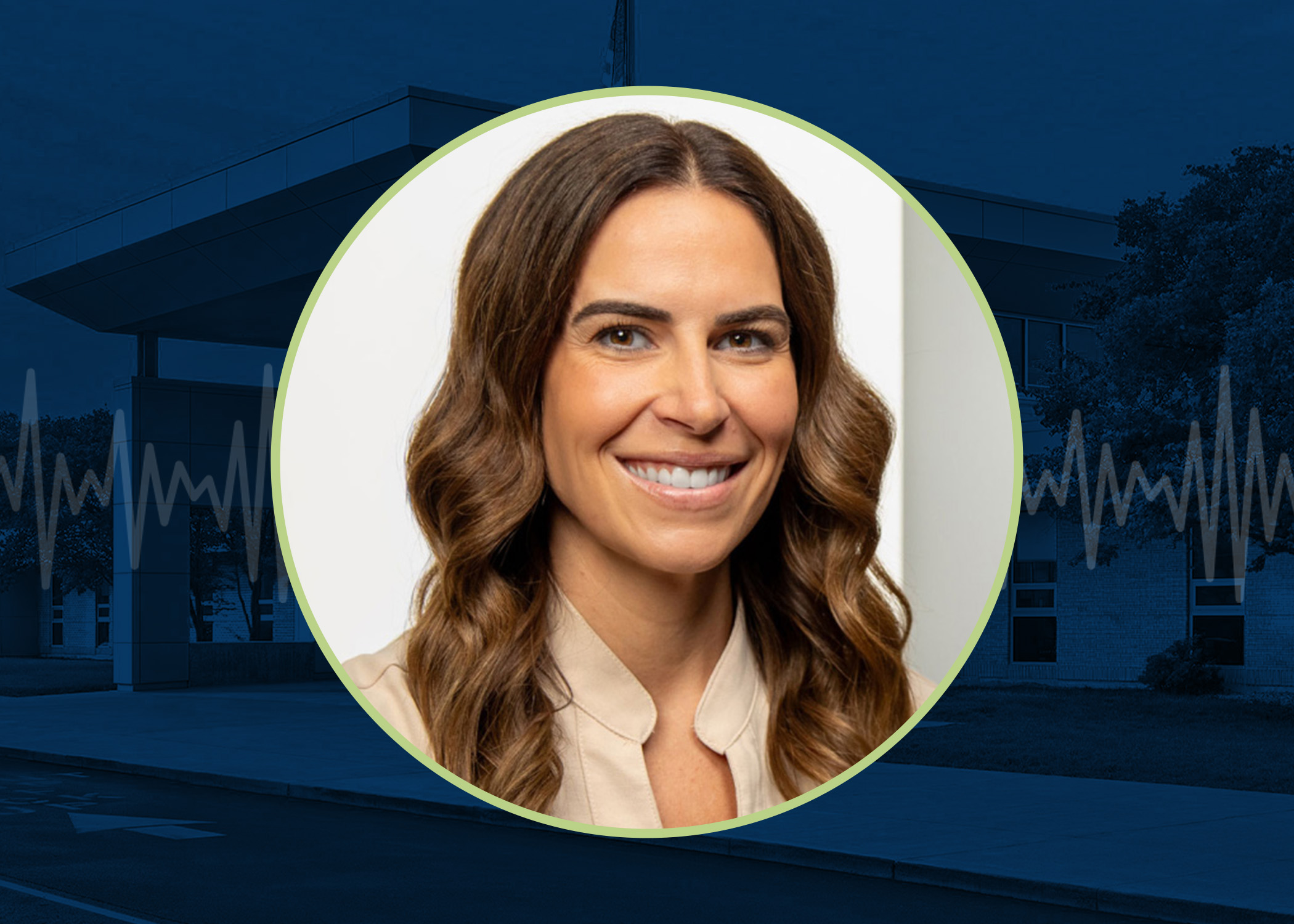
Episode Guest
Listen Now




Episode Transcript
Please note, this transcript is generated by AI and may include some errors.
Spencer Payne: Okay, here we are on Front of the Class, Real Stories from Real Educators our real educator today coming at us from Indiana Megan Johnson. And Megan, how do you introduce yourself to other educators out there? What are the types of things that you like to share could be? Where you teach how long you've been teaching fun facts or maybe maybe you want to brag about some recent hardware that you just won I might do that if I was you but how do you introduce yourself to other educators?
Megan Johnson: As of late, I introduced myself as the 2026 Indiana State Teacher of the Year. I like to lead with that. It is something I'm very proud of. But then I just remind people I'm just a normal teacher. So I teach in Plainfield. That is the real name of my town. Our motto is anything but Plain. And we do have some great things happening here. But yes, I live across from a cornfield. So I teach fourth grade and I've taught third and fourth grade, mostly upper elementary, and this is rounding out year 19. So I'm one of those people that love teaching, always have, and very proud to be a teacher.
Spencer Payne: Perfect, and we'll get into some 20 years in the profession, trends you've seen, all kinds of good stuff. But first, I would love to start with congratulations on your Teacher of the Year for the State of Indiana win. can you share a little bit of like, how did that happen? Like to what do you attribute such a high honor? Were there other people in your school who maybe won it 10 years ago and they're like, this is what you gotta do. Like, can you share a little bit about like, how did that come about? Like, what are some of the things that you're doing that maybe a nominating board or someone shared with you of why they decided to bestow you with such a high honor.
Megan Johnson: It is quite a process and one that I have never really followed before. Teacher of Year is something that you know is out there, but as an educator you spend so much time in the four walls of your classroom. It's just, was never something on my mind. We've had people as finalists in my district and I teach in an incredible district and our finalists were people that I learned alongside and I learned from and just people I...was so impressed to teach alongside. it was honestly, it was a huge surprise to me. So I was named our district teacher of the year, our elementary district teacher of the year.
And then every state does a little bit different, but in Indiana, if you're the district teacher of the year, then you go on to the state process. And for us, that is submitting a professional portfolio, which was my favorite part of this I've never really taken time to sit back and think about everything that I've done Teaching is a very humbling profession and to sit down it took me about 24 working hours to collect pictures and Letters from families and go through all of the collection of everything that I've saved over my career and put all of that together in a portfolio. And I submitted that to the state along with several essays and just kind of sent it on its way in mid July last year. Never thought anything else of it and started the school year like normal, just very proud to be district teacher of the year.
Our district goes all out. I was in a parade and I did a coin toss at a home football game, like all of these things. It was wonderful and left a school board meeting one night and received a letter that I was a state finalist And then that starts a whole process and again i'd never followed it before so it consisted of a panel interview of about 20 people in downtown indianapolis And I found out that I was the top three finalist when about six of those Panelists showed up at my classroom one day for a surprise to our observation
Spencer Payne: and you had no idea they were coming, all of a sudden there's just six people in the back.
Megan Johnson: I had no idea. I didn't even know that was a part of the process. I looked over and I was like, I'm a finalist. That's awesome. Like, that's great. So top three. And they handed me a plaque and then continued to stay for the next two hours. And I was just like, what is going on here? So it was incredible. And then I had the opportunity to go downtown and our secretary of education is actually very involved with our teachers.
And the top three finalists were able to spend about half an hour with her just discussing education and the realities of teaching right now and what we love about it. And then there was a surprise convocation at my school and I was named the Teacher of the Year and I'm about six months officially into it and I'm still trying to wrap my mind around the honor that this is and the opportunities that it's provided this past weekend was like an opportunity of a lifetime. Everything that I'm doing is, but it's just presented a path I never saw coming for myself and one that I'm just trying to live up every moment that I can.
Spencer Payne: And that 24 hours you put into this portfolio of 20 years in the profession, can you share maybe some proud moments, highlights, things that you forgot about? Like, that's right. 15 years ago, we did this. Can you share just a quick maybe summary of some of the highlights of, for those of us who maybe haven't looked back over 20 years of like, holy crap, look at all this stuff we did. What struck you? What jumped out at you? What were some things that surprised you? Or maybe some things you're like, I forgot about that. I'm actually gonna go do that in class on Tuesday. Like, can you share a little bit of the highlights?
Megan Johnson: Yeah. Yeah. So I've taught two grade levels over the time that I put that portfolio together. And just kind of looking back, there's a professional section and there's awards that you've won. And those things are all wonderful. Like I'm very proud of obviously the teacher that I am. But I collected an entire area of evidence from my students learning.
So looking back and seeing service projects, service is a very big piece of my heart. And I love talking to nine and 10 year olds and telling them, you can do these things too. You can make a ripple in your community. So I kind of started looking back at some of those and these were not little projects. They, know, one that we had done, my students collected over 600 pre-packaged desserts to serve to our less fortunate population in our community.
We partnered with a church. put together containers to serve food in. My students, their families, they handed out food, they handed out dinners, they handed out their desserts and cards and looking back and like, this was their idea. This was something I was able to facilitate. This was something just a little piece of life that I love that I was able to have a conversation and grow a project with these kiddos and looking back on things like that...the service aspect of it, it has continued. Those were some pretty cool projects. We now support our community by providing toiletries to every child that receives assistance, Christmas assistance, which is great. It's become a huge project that our community is very much involved in. And all these little projects like that, just showing kids that they can do really big things no matter what their age is.
And I saw that happen several times throughout that portfolio. Kids saying, well, I'm just a kid. I'm like, no, you are a kid and that's the best part of this. Nobody's gonna tell you no, right? You need donations. Yes, let's do it. And then another part that spiraled off of projects like that is community partnership. Again, I teach in four walls. My building is like 100 years old. We're on US 40, like a very popular road across the United States and just kind of again in the middle of a cornfield, but there's so much of the world outside that we can bring in. I love connecting my kids to learning even at their age and maybe especially at their age. So looking at partnerships, you know, designing a field trip where they got to go to 911 dispatch and the police station and our town hall and have a town hall meeting. I brought in architects. We read a story and talked a little bit about disabilities and my kids were excited about that and intrigued by that.
So we did a playground redesign and worked with an architect of what that would look like and worked with budgets. I last year facilitated a wax museum and we brought in Olympians from our hometown. This year we're focusing on racing. We got to go to the Motor Speedway and just reaching out to anybody in the community to connect with my students to make this truly the best learning experience that they can possibly have. And looking back through my portfolio, that was probably what I was most proud of. These were lessons that maybe stemmed from literature or stemmed from our social studies or science book, and then grew from authentic conversations between my kids and I and passions that I have and questions that they have and never shying away from that, but embracing it. Even last year, I had some students that, you know, our population is changing. And I had some students that spoke different languages and they didn't feel entirely comfortable about it.
So I partnered with a border town in Brownsville, Texas, and a fourth grade classroom, and we became pin pals and we studied each other's culture and traditions and even growing my kids' sense of pride in who they are from where we live or where they came from, just never shying away from kids' questions or feeling uncomfortable about it, but finding a way to facilitate learning in here that is much bigger than the space in here.
Spencer Payne: And that's a lot of different things. And none of that is in none of that is in a curriculum that anyone is handing you. Right. Like go make pen pals at a school in another state or go to a 911 dispatch center as a field trip. So I am curious to explore a little bit with you of if I'm a teacher who's like, yeah, I want to do things that are real learning that are outside the curriculum. How do I do that?
Megan Johnson: That's a lot.
Spencer Payne: Can you share a little bit about, especially maybe some of the first ones of like, how did you get started? who's like, how did you go through an approval process? How did you get an idea of this is what I want to go do? Can you share that for somebody who might be in a similar place of like, I want to go do some of those real world things too. How do I start? I feel like I'm stuck in the curriculum. How do you break out a little bit of the curriculum? How did you do that? What would you recommend for somebody else who might want to do that?
Megan Johnson: Well, I would say first of all, you can connect anything to curriculum. So going to all of these places, know, fourth grade, I'm teaching Indiana history. I'm teaching community. I'm teaching math when we're looking at budgets and I can take anything, you know, any teacher can. Part of teaching is being creative. So it's looking at this is a direction that my kids want to go. I'm the person in charge of facilitating that and matching it to the curriculum and finding a way to do so. So maybe it's not exactly what the kids pictured or exactly what you pictured, but it's looking at the resources that you have, what you're teaching and making it organic. think that we cannot think of teaching and subjects as these buckets that we have to stick in. We can put all of this learning together and create a really meaningful experience with deep learning.
So some of the ways that I've done that, I'm not afraid to go to my principal. I've been told no many, many times and I've been told yes.
Spencer Payne: And I love to hear, can you share the craziest one that you were told no, that he was like, I can't believe you're even asking me this. Is there one that rises to the top? And then we'll get back to your story. But I love to hear what is he, what are you told no for?
Megan Johnson: No, well, well, and even even beyond my principal, this one happened recently. And again, I'm state teacher of the year, and I still here now. So there's, and it happens. It's okay. It's okay. I wanted a science program that we've previously had that I just really, really, really love. And we were curriculum planning. And I said to my assistant superintendent, like, Hey, I think I can work this in this way. I think it can go over here. And she looked at me, she said, No,
Like that's just that's not what the budget is. We don't need that as a district. I was like, but I think my kids need though that and she was like, Megan, no. So that's okay. Like there's there's things that I want. It's just not going to happen. You know, field trips, things like that. Like, hey, can we go try something a little bit further away? There's this museum that's about an hour and a half away that's super immersive and hands on, but it doesn't work with the bus schedule. So I mean, I get it, but it doesn't hurt to ask.
So what would I tell people or teachers that are wanting to do some of these things? Don't be afraid to be told no. You are going to hear no sometimes, that's okay. It's not like, obviously be respectful when you're asking and have a well thought out plan before you approach something and know that there's a much bigger picture than what you see. And you can always pivot and go with plan B. Virtual field trips, you know, they're a good option for a plan B.
And just don't be afraid to reach out to people or talk about your ideas with others. I love having people come into my classroom. That's a great option when we are facing budget issues and sharing buses and those types of things. So when I invite people in, whether they're professionals to give the kids the experience or even parent volunteers, I love to share my ideas and then that makes a connection to something else that makes a connection to someone or something else.
And you just never know where that's going to go. The community toiletry project that I'm working with that I just completed, we do it every year at Christmas. This year we had a community partner help support us financially because of me telling this idea to somebody else, to somebody else, and then it got to her. So share your ideas. Don't be afraid to hear no. Have a plan A, B, C, D, E, G. Like we're teachers. Sometimes we have to go that...that direction. But really just commit to it and commit to, know, one or two things that you really are like non negotiables. This is what I want. This is what my kids want. And then be flexible on everything else. And don't be embarrassed. It's okay to hear now.
Spencer Payne: Yeah. And sometimes, sometimes as a strategy, like not every principal administrator, like people don't want to keep saying no to your creativity over and over again. sometimes, sometimes, maybe I've been guilty of this, maybe. Sometimes you go have a big ask that you're pretty sure I'm to, you're going to, I'm going to get a no. But then the next one is just so much simpler that like, of course you're to say yes to that one. Cause it's so reasonable compared to my first one, right?
Megan Johnson: Right, even I did think of another one too. Sometimes, like the kids are much cuter than adults, right? So you never put them in an awkward position, but I had my kids, we were learning synthesizing, right? So collecting a lot of ideas and they had watched a Ted Talk...a kid Ted talk about a project that this kiddo did. And they were reading an article about children in Finland that had a lot more extra recess. And then we were putting it together and writing. And I let them present to the principal because I thought it was a great idea that these kids came up with this idea to have more recess or a second recess. And they were the ones asking. I just invited the principal in and we were told no.
But it was a great idea, right? Maybe those kids will grow up and be a lawmaker. Like, who knows?
Spencer Payne: And again, good lessons. I have a three and a half year old who, you know, sometimes I want to do this. Well, how can we ask that differently? Oh, can we do that, please? And more often than not, we'll say yes, but sometimes there's still a no. And the lesson there is sometimes like, hey, you can do everything right. You can ask politely. You can say, please, you're more likely to get a yes, but that doesn't always mean the answer is going to be yes. And just as a lesson to learn, I'm like, sometimes just like no matter
Sometimes you fought the good fight and the answer is no, and it's a good lesson to learn, but it doesn't mean you shouldn't go ask again the next time.
Megan Johnson: Correct. And those are real life lessons. They're hearing it as children and they're seeing me hear that and accept it as an adult.
Spencer Payne: Yes. Are there any field trips that you can recall that the kids love the most? Like what stands out or which ones maybe have you repeated because it's just like, wow, the kids love this one. Are there any that, again, you might recommend to others to steal this idea because the kids happen to love this one? Any stand out?
Megan Johnson: Well, I think the one that is at the top of my mind is one that is local to us. But the way that I could kind of spin that for others is let your students know about the environment or the community that they're living in and make the field trip a part of a much bigger picture. So in fourth grade here, our state, we live about 15, 20 minutes from the Indianapolis Motor Speedway. And a lot of our children have no idea what it is.
You know, it's one of those things that's in your community, but you kind of take it for granted. So it's fourth graders across our Our schools can put our name in a lottery to be chosen to go on this field trip. And we're not always chosen, but we've been able to the last two years. And the way that this educational program is run, we go to the IMS without any spectators there. And we get to go in like the executive suites and the behind the scenes and see cars and things like that. But it was a field trip that was a much bigger part of a learning experience. So we are trying to instill college and career readiness skills. So I've turned it into a like, let's do a wax museum. Let's look at the field of racing engineers, entertainers, broadcasters, and we're doing all of this that goes along with it. And the field trip is just like the icing on the cake.
This year, it was very, very special because Mr. Bowles, who is the CEO of the Motor Speedway, was very, very kind and just being able to say like, hey, the teacher of the year is here, but there's some really cute 27 little kids with her. He brought my class onto the racing track with a car and took a picture with them. you know, so just a really, really cool experience.
But field trips should always be extended to learning and to making it much bigger than just a visit. So I would say start with the things that are around you. We also have a living history museum about the early 1830s in Indiana. That's another one that's really, really fun to go to. I taught second grade in college in England for a period of time, and we did a living history museum there too. That is so much, you know. Those are available in a lot of communities and so much better than a social studies book. So just look at what's around you and pick the ones that are the best for you. know, funding goes into that, buses go into that. There's a lot that goes into that, but it's really what you make it. Sometimes we end up in a nature park. Like it just depends, but again, it's what you do in the classroom to support it.
Spencer Payne: Yeah. And we alluded to this earlier, but, you know, after 20 years in the profession, like to touch on a little bit trends of what you're seeing. And you even made a comment earlier around, the demographics of even your school and your classroom is changing. So I'm curious to just explore a little bit of, of, and you can feel free to dive into any of these that you've, are particularly interesting to you, but just what, what are some trends that you're seeing in 20 years in education, including, yeah.
When you look out at your classroom, what do you see versus what you saw 20 years ago? What's the level of curiosity that kids have? You're still at an age where maybe we don't quite have too much technology, hopefully yet, ish, hopefully, but what are we seeing in terms of phones, YouTube, the ability to sit down and read quietly for 20 minutes, attention spans? So there's a whole bunch of stuff there you can pull from or take something that you're seeing that I didn't even bring up, but I'd just love to explore trends. What are you seeing? What do you see more of? What do you see less of? What's a good positive trend? What's maybe something that you add? This isn't going the direction I'd like. I wish this would change, but this is what I'm seeing. What are you seeing?
Megan Johnson: That is such a loaded question. And you're right, there are so many different directions that that could go. When I think academically right away, I see the trend with reading instruction, the children's ability to read, and this is really across our country. I am a huge proponent of the science of reading. It's a big part of my platform and something that I've studied on my own for a long time. And...I'm seeing what that looks like in a classroom. So 20 years ago, we were saying, you know, let's do these stations. Let's sit and read independently for 20 minutes. Let's teach this skill. And we've you know, we've had data for 60 years that that's not the best way to instruct. And if you go back and look at the history, there was some politics involved of why that didn't take off sooner. And now as a country, we just cannot hide it anymore.
So reading instruction has begun...been a huge change for me as a teacher, but also my students as a learner. We, again, cannot put all of these areas of comprehension and vocabulary and morphology into these separate buckets. We need to be teaching all of this together. And when you're doing that, kids are successful. And it is incredible. I think 20 years ago, children were able to learn a little bit more independently than what they are right now. So maybe those previous methods had some success because students were picking up on things, reading more at home, spending less time on technology 20 years ago than they are now. And now it just doesn't add up the same. They need that explicit instruction. And technology is a huge one, huge, huge, huge. When I started teaching at chalkboards and an overhead projector in my classroom, again, I'm in a hundred year old building.
But now, and I think I had four like computers in my classroom. Now we're one to one and everything is.
Spencer Payne: Wow, so even for like the 10 year olds, everyone has like a Chromebook or everyone has a laptop in glass, wow.
Megan Johnson: yeah. Yeah. And my building is K5. Everybody's got a computer. We were kind of maybe forced that way or maybe pushed into it a little bit sooner when COVID happens. And our community was able to fund these devices for our students. So it's actually not school funded. That was funded through our town. And there's, you know, there's ups and downs to that. And I think those conversations are happening a lot in a more honest way right now. And they're, you know, all of our textbooks, our assessments have all gone to digital or computer based. And these professional conversations we started noticing probably two or three years ago, really noticing after we'd been one to one, like this is not what's best for them. This isn't. We...
And I'm somebody with my own kids. have an 11 year old and a 15 year old. I'm like, we're, limiting this time with digital devices or TVs or anything. And we started seeing, you know, the negative effects of that in the classroom much sooner than when they were, they were being talked about. So I'm not somebody that uses it all the time and I think kids need a book in their hands, I can teach them how to focus on this line with tools that I have, line readers or pointing or whatever they need to, or very quickly go in and say, let's look at this sentence, let's break this sentence apart, where's the noun, where's the preposition? When it's in front of them in a way that you can't do it when they're listening to it on a computer or they're trying to find the line on a computer.
And at the same time, I am also somebody who's teaching AI literacy. So those may sound like they contradict themselves, but the ideas of both have places in the classroom. So what I say all the time, and it's what my platform is and what my presentations are, is AI, it starts and ends with human. A lot of people will say like, well, the end result has to be human. When I'm teaching this to my kids, I'm like, no, it starts with human. There's a good way that this process needs to happen. You need to have the ideas. You need to be able to do A, B, and C before you ever go into something, AI or any piece of technology. So I would say those are the biggest things facing my kids right now.
What else have I noticed? Attention. Attention is definitely something that is different. I'm not somebody who believes in putting on a show for our kids but I also believe in active engagement and there's weights to do that. This year I was thinking, you know, these kids are so used now to having a device and that's so entertaining to them that simple things are novel. So I put together in my classroom of 27 students, I put together active learning bags for just active engagement and they have things like highlighters and those clicky pens that have like six colors on them.
And a dry erase board you would not believe can we use the pens? Can we use the pens like they love these things? That's all that it's taking for me to engage my students is to put the devices away or use them at very intentional times and When I say alright guys take out your active engagement bags. They are like do we get to use the pens? Do we get to use the highlighters? You know, what are we using in here today? I'm looking at them right now. Even things, I have miniature Rubik's cubes in them that when we're doing math problem solving and I'm going around and working with somebody else, they love it. If they're finished and they're waiting for me to come check their work, they want to work on a Rubik's cube. Those desires are there. We have to give it to them.
Spencer Payne: Amazing how these things that were common 40 years ago now are not so common, but because they're not common, they're now interesting. It's amazing how that works.
Megan Johnson: Yeah. It is so weird. Yeah. And that I would even say that that's 20 years ago in a classroom if I was like, all right, here's the highlighter. No, not that, you know, they're pulling it apart or breaking it, painting their nails with it. And now they're like, we get to use a highlight. We have flower highlighters. They've got five colors on them. And yeah, even within the 20 years that I've been teaching, it's crazy what gets their engagement. And again, it's nothing huge or fancy. I, you know, there's a time to dress up and, you know, act and do fun things like that. But sometimes just going back to the basics is very powerful.
Spencer Payne: Yes, the six color pen. We don't need to dress up and be Halloween every day. Six color pens are actually very, very interesting. We can go back to really, really simple stuff. Yeah.
Megan Johnson: No. Yes, and a sticker if they can get a sticker or a stamp like ink pads like they've never seen these before you know so it's just it's wild it's wild.
Spencer Payne: One other thing that we had touched on a little bit was this concept too of kids maybe in today's world. Sometimes having, again, just a trend that's more common now than it was 20 years ago or 30 years ago is potentially kind of over analyzing things or feeling that they're getting stuck or feeling like I can't decide what to do. I'm going to be kind of analysis by paralysis. I'm not sure how to act. So I'm just going to be stuck.
Again, can you share a little bit about what you're seeing in the trend of that and how do you kind of help foster breaking out of that? Because when you're in that, it can feel so paralyzing of just like, there's three things I could do. I don't know which one to do. They're all good, but they're all bad. I don't know how to decide, especially in a 10-year-old mind. It can feel very paralyzing. So two things. What are you seeing in the trend of that versus 20 years ago? And when you see it, how do you help kids try to...calm down or move forward or act or decide or how do you help foster getting out of that situation?
Megan Johnson: Right. So I think that 20 years ago, either kids didn't vocalize it as much. I would say classrooms, at least my classroom is very much more conversational now than I think that it would have been 20 years ago or, you know, in the 90s when I was in elementary school, you just didn't have those conversations and you just kind of moved on to the next thing. And now we've almost gone to the total opposite side of that where, well, I want to make sure that I do it right. And I've taught...
My master's has a focus or a concentration on high ability instruction. So I've worked with that population for a lot of my career. And they are especially in that paralysis state where I don't want to do anything wrong. So why is it having real conversations about that? Again, sometimes you hear about, sometimes you're going to fail or most often, you know, a lot of times you're going to fail. tell them, especially like at the beginning of the year, when I start teaching math, I tell them everybody's going to have a hard time in here.
There's going to be one topic or one lesson that is definitely going to be difficult for you and that's okay. One of the strategies that I use is when we're working together, we have a clear page that's red on one side and yellow on the other. And if it's hard for them, they're showing their work on the red side. If it's yellow, then they're...they're in the middle with it or they're doing okay and they're all afraid to use the red side in the beginning. So it's this idea of you're going to struggle, all of you are going to and we're gonna normalize that, we're gonna name it. I'm going to make mistakes, you're going to make mistakes, it's totally fine and in the beginning they won't use that red side of that clear page but throughout the year they will and then really just telling them that...
You know, I see this with the students in my classroom, but I also see this with the college kids that I work with when I go out and talk to them. You don't have to have every single path totally planned, you know, 50 years down the road or five minutes down the road. Most of them you will be able to be successful with. So it's really about having the ability to adapt or persevere. And these are words that we talk about. They are common language in here.
You can pick any of these paths and the end result is probably going to be success, right? Nine times out of 10. You may hit five bumps on this path or three bumps on this path or one bump over here, but you're going to face some challenges. You're going to get through it and I am here to do that. So when I also tell my kids all the time, like you are humans, like you are, you are kids. I'm not the adult and you're the children. We are humans in this space together, trying to figure it all out.
It's okay. So I think creating that environment of We're all going to hit bumps and we're all going to work through it It gets that buy-in and that relationship and that ability for them to be vulnerable with me So that we can hit those bumps together and get through them And and definitely like I was touching on a lot of the work as teacher of the year right now is going and talking to pre-service teachers that are about to graduate and so many of them are afraid, what if I've made a mistake or what if this field isn't for me? You'll be successful. Like you're going to be fine. Sometimes I think it's just pick something and let it work and grow in that area. I think we are so focused on trying to have everything figured out that we have lost the ability to have productive struggle, which is really where we grow.
Spencer Payne: Yeah, yeah, 100%. To that point for, again, teachers who are asking, what if I screw up? What if this isn't right for me? Sometimes it's almost more helpful to go into something with the mindset of like, even if six months in, if this is your first job especially, even if I know I don't like this, I'm putting in two years no matter what. Just because...I keep like every six months, I'm always going to find something I don't like, but like, no matter what, I'm just going to put in two years and I'm just going to figure out how to make these couple of things that I don't like. What, what, can I control? How do I make them better? and just come out with that grit on the other hand, on the other side of that of how, how can I, how can I rise up? How can I overcome? How can I do this better? that thing I don't like, maybe I still don't like it, but how can I do it a little bit better where it's tolerable?
And the same thing for, again, for kids, right? Of like, you know, I saw this recently and it made it, I was like, I can't believe I'm reading this. And then as a reading, was like, actually, this makes a lot of sense. Oh, I'm gonna restate that one. I came across this one recently and I was like, I can't believe I'm reading like Twitter comment about video games in like the nineties. But then I was, I was reading, was like, actually, this kind of makes a lot of sense. Is that a lot of video games today, like they don't have an end. They're just kind of like, you're in multiplayer and you just keep playing. They're excited now.
Spencer Payne: And maybe this is a, hey, video games were better back when we were, but like, long time ago, was like, there was a level and like, if your character died, you had to start over. And so you had to have this grit of like, can't believe I have to go to these two levels all over again to get back to where I was. But there was almost the level of like grit or perseverance built into some of these things that doesn't necessarily exist even in something a lot of kids like to do, play video games.
Megan Johnson: Absolutely. Mm-hmm.
Spencer Payne: And in that world that becomes like, how do you teach grit? How do you teach perseverance? How do you celebrate when a kid doesn't get something right two, three, four times and then gets it? Like see how you didn't get it two times ago, but see how much better it feels now that you got it because you had to struggle to get there. Do you see how much, how do you feel? Like is there, how do you go about trying to foster that in the classroom or call that out when a kid's got the red, you know, calls out the red, this was hard for me. And then maybe it's a similar exercise and it's yellow, like, and then it's green. Like, how do you kind of call that out, foster that in some way? Cause this is a, this is one of those skills that's never going to show up on a test, right? But you can see it, but it's hard to explain to people and it's hard to teach.
Like, is there, how do you, how do you think about that? How do you try to infuse some of that in your classroom? Cause it seems like that's something that's important to you that you're trying to do. How do you go about doing that? How do you foster that? How would you advise other teachers to try to do some of that?
Megan Johnson: love that question because again, I am one stop on an assembly line of education and I want them to get the most that they can to carry with them for for life, right? I think that one of the big things is don't shy away from it. We have gone through these fancy, you know, all these Pinterest behavior charts and rewards and whatnot, and we're only focusing on the good. And while you know, whatever the philosophy is for that, that's not allowing them to make mistakes and praise mistakes and growth. So I would say be very careful with your guidance. I don't call it discipline in my classroom. It is child guidance. That is my position. I am guiding you towards directions that are going to be more beneficial for you. And I'm creating spaces for those projects. So wherever it is in the classroom, again, it's having those conversations. You're gonna be on red sometimes, you're going to be on orange sometimes or yellow on sometimes.
In these small group discussions that we're having, it's showing them like, hey, you were reading 110 words and now we've been focusing on this passage and now you're reading 120 words. Those are private conversations between you and I, where I can look you in the eyes and we can have this moment together because it's not everybody's business, right? Moments of growth. The best, I think there's just something about being a teacher that's very invested in the relationships with your kids.
The best is when you have a culture in your classroom where peers can notice it in each other and call it out. Those are the most powerful moments in a classroom. I have a student that was struggling with some things throughout the year and peers are somewhat, even if you try to protect everything, they're somewhat aware of the paths people follow and where they're going for response intervention time or whatnot. And this kid received our rising star award and the standing ovation that he got from his classmates said everything without saying anything. It was that they watched him work hard. They watched him, you know, go to these groups and whatnot. And then they were able to be the ones to kind of celebrate that for him. So that it happens in the quiet moments, the mundane, ordinary moments, teacher to student.
Sometimes it's peer to peer, but it's the environment that you create in your classroom. I don't shy away from difficulty. Obviously, we're working with kids, so you speak in a language that's tolerable and acceptable to them. But everything is not sugar coated, because that's not real. And that's not where they're going to grow. And I think if that's your mindset as a teacher, that I'm going to be able to present difficult things to them in a way that they can accept and know, you know, have a relationship to where they know that I'm going to support them every step of the way, then that's the environment you want and that's the safe place to grow that grit and allow them to find success.
Spencer Payne: And one more kind of deeper question a little bit on this theme before we get to our more quick hitter, rapid fire end of the interview questions. But how do you also approach that with, you your responsibility as a teacher is right, you're trying to get the whole class move forward throughout your year to be able to hit certain milestones, certain.
But in doing that, it's very hard to do that and treat everybody exactly the same. So how do you balance throughout the course of your year? I'm trying to move this whole class forward, but I need to do that almost 27 different ways. Or maybe there's three kids who are kind of in one bucket and there's four kids in another bucket. you're almost like, I might have five buckets, six buckets, 27 different buckets of how I do that or how I speak to these individual kids. So how do you kind of think about or how do you balance... I'm trying to push forward 27 individual people. How do I reach them all uniquely versus I can't, don't know if I can do 27 things differently every single day. So how do you kind of group things and individualize things? How do you think about that? How do you go about that process?
Megan Johnson: think that that's something that maybe comes with time and experience because somehow you do move over 180 days. We're all starting here and we're all you know, ending here and there there are different there are different goals but there are times for your groups to work together and sometimes that's academically but sometimes that's emotionally on a skill to friendship clubs or just time together at recess talking through some of those conversations.
I love to switch around like my line leaders. Again, it's that relationship time. It's like, hey, whoever's line leader now, what's going on? What's going on personally? What's going on academically? And having some of those conversations there and then taking all that information in and knowing what I need to do when we're in the classroom. Are you somebody that needs to work alone? Are you somebody that needs a partner? Are you somebody that needs to work in a group? And you just kind of collect all of that in your brain and just know your kids and have an environment that works with them. I know that sounds like kind of a vague answer, but that's really what it is. It's a well-oiled machine in here. There are very specific procedures that takes that guessing out of the question so that kids know, like in here, we're all kind of moving and going and doing. Sometimes we're together, sometimes we're apart, sometimes this kid is getting something different, sometimes this kid's with the teacher, this kid's with whoever, and that's just how it is environment we've created.
Spencer Payne: Okay, so as an example, the student you mentioned who won that Rising Star Award, was there anything that you did or how you approached helping him that was just very unique or maybe it was him or her to win that award? How did you approach that student uniquely that was like something that they needed to help them earn that award? Obviously, they had to put in the work, they had to do some things, but how did you approach that student uniquely to help them get to that point?
Megan Johnson: It's actually a very unique kind of story in and of itself. I think most of our largest growth opportunities come from very authentic situations. So I, with this particular student, he's newer to our country and I'm gonna tie this into having people welcomed in my room all the time.
So his family is trying to kind of find their footing around the community. And we had a service project here in my grade level, and we were going around the school and we were cleaning all the devices for the kiddos, just a service fundraiser that we were doing. And his mom came and it was me and him and his mom and one other student and that kiddo's mom as well.
And as we were going around, I just started having conversations and I could tell she was a little bit uncomfortable, but I was so happy she was here, right? And we were talking about food of all things and I guess, you know, we can all relate to food. So she was talking about this kiddo not liking the food that she cooks. And I was like, what? Like, those are some of my favorites. Like how? And it just started a conversation and the three of us moms just started, we were at school, but we were moming together, right? So us moms were just being moms together and having conversation and talking about our kids and being picky eaters. And then it just talked about, well, what restaurants do you like? And what do you like? And my kiddos in soccer, like, I'm signing him up for soccer. And we're having these conversations. And at the end of it, the mom made a comment to me and just, just said, you know, I was a little bit worried about my language. And I said, I can understand you totally fine.
And I think that this kiddo seeing his mom be comfortable here and all of us working together was that belief that we really are all in this together, right? So then when he's coming to school and we're working, I made a point to say, show this to your mom, right? So he's having success here and I'm said, show mom, show mom. And then she's coming back in when we're having open house. And then when we had our science fair and she's coming in, And we have this relationship now. So again, it's all this bringing people in, having real moments, having real relationships. And that tie of him being proud and being proud with me, but also being proud with mom, it was just this kind of full circle thing. And that's what he was working towards. He had this pride in himself, but he had two very important people to him that he could share that with and it just, was beneficial for all of us. So it was a lot him and just the ability for a school to foster relationships within the community that everybody gets to succeed from.
Spencer Payne: Yeah, perfect. Thanks for sharing that. And we'll transition now to just a couple of quick hitter final questions as we get close to wrapping up. And you've just been, it sounds like as a result of your teacher of the year, when in rooms with aspiring teachers, new teachers, what's the number one piece of advice that you would give to an aspiring teacher who's about to start or maybe someone in their first year, or maybe what advice would you give yourself in year one, knowing what you know today if you could? What's that number one piece of advice?
Megan Johnson: All right. I would say you get to build the classroom that you want to teach in, that your students want to learn in, and it is totally up to you. And it is real, like this is teaching, right? So yeah, so I tell new teachers or teachers going to the classroom, you get to build the classroom that you want to teach in and that kids want to learn in and you have to be very intentional with how you do it. You don't want your classroom to happen to you. You want to be the person making it happen and making it exactly what you want. I want my kids to have experiences outside of the room. I can't always leave, I bring it in.
I want to feel a certain way, I cultivate that. I want them to enjoy their time here, so I listen to them and make sure that I'm hitting what their interests are. And that looks different from years here. It's mine to create so that they can maximize their experience. Absolutely. Yep.
Spencer Payne: Yeah, play offense, play offense. You don't always have to play defense. You can play some offense. What to you is the single best thing about this profession? Education.
Megan Johnson: The kids you it sounds so simple, but truly I tell my kids every single kid that's had me and I've had over 500 will tell you I say all the time if you want to be happy for the rest of your life work with kids in whatever capacity you can they are hilarious You it's like a comedy show all day every day. You never know how they're going to respond to something. You never know what they're going to say or the moments that we have together. You cannot repeat this. Like you can't make it up. And even when you go and you try to share the story, it just doesn't hit the same outside of the classroom. There is something special that happens when you are just people to people enjoying life together. It's awesome.
Spencer Payne: And what is one of the hardest things about the profession? Or if you had a magic wand and you could change it overnight, where would you point that wand?
Megan Johnson: gosh, that's hard. I would say one of the hardest things and it's going to sound cheesy, but I mean it is, is ending the year at, you know, 19 years. I still cry on the last day of school every year. Like you cannot help, but adore the people that you're with. And if you truly are just person to person, you know, that it's for a small period of time and then they move on.
Those relationships coming back full circle when you get to go to graduation open houses and weddings and baby showers, I've been in this long enough. Those are pretty special, but it's hard to see them leave.
Spencer Payne: And is there anything that you were hoping you were going to share or state that we just didn't get to, or anything that you did share that's just so darn important that we just, got to say it one more time. So we have any new or repeated final words of wisdom to educators out there.
Megan Johnson: I don't know words of wisdom. Words of wisdom, go all in, don't be afraid, like go all in, love it. You're going to have ups and downs like you are in any profession, but expect that shift, right? Every year is different, every experience is different. I do wanna say though, teachers, as I've been around, going around the state and speaking at colleges and going to high schools and speaking to educators.
There is so much more good out there than what gets vocalized. I think that there's noise in education and a lot of times people pick that up and they want to run with it. But every space that I'm going to and it's all over my state, really all over the country with our national program as well.
Spencer Payne: And number one piece of advice?
Megan Johnson: There's so much positive though in education. I do have to share something really, really neat. This is Teacher Appreciation Week. again, one of the things that I'm using my platform for is being able to highlight some of really cool things that teachers get to experience.
As I've gone around the state, I've seen really neat things, but this past weekend, I had the opportunity to give the commencement speech at my alma mater and speak to 6,000 people going into the profession following Hugh Jackman. And the president of the university arranged a moment for us to be together and talk to him just again, person to person. And while that was an experience that I had, it was a notable person that looked at me and said, remember, you are not just a teacher. And I wish every teacher had the opportunity to hear from anybody, from everybody, that we are not just teachers. The positive and the way that people look at educators, much of it is positive. There are teachers doing wonderful things. I am not the best teacher in the state. I'm not the best teacher in the country. There are a lot of teachers doing really great things, better than I am. And just there's a lot of positive out there. So I want teachers to know that that's out there.
Spencer Payne: Thank you for sharing that and congratulations on having Hugh Jackman be your opening act and you being the closer. Well done. Incredible. Well, Megan, thanks so much for sharing your story. It's definitely a real, real story from a very real educator. Congratulations on your success and thank you so much for sharing your stories. Appreciate you.
Megan Johnson: Right? I know what kind of lineup is that? Like, how do you follow that? Yeah.
Thank you so much for your time.

Moreland University can help you take your teaching career to the next level.
Whether you’re looking to get professionally certified or earn an M.Ed., our 100% online programs can help.
Complete your no-cost application (it takes less than 15 minutes!).