
.png?width=300&height=74&name=MorelandU-logo-WH-RGB%20(1).png "Moreland University Logo")
Front of the Class Podcast | July 23rd, 2026
High Fives and True Caring with 2026 Idaho Teacher of the Year Laron Johnson
In This Episode
Laron Johnson has spent nearly 30 years teaching in the shadows of the Grand Teton Mountains in Yellowstone National Park. He has built a career around helping students connect classroom concepts to their everyday lives, earning him recognition as the 2026 Idaho Teacher of the Year.
In this special topical episode, Johnson shares how humor, relationships, and real-world experiences can make learning more meaningful and memorable. Focusing on the power of building connections with students, his stories offer inspiration for educators looking to spark curiosity and make learning come alive.
Key Topics Covered
- Creative ways to teach through everyday experiences
- The role of humor and authenticity in the classroom
- Why attending students’ activities and embracing their interests builds trust
- The ‘crime’ of losing experienced teachers to burnout
- Advice for new teachers on students engagement
- And more!
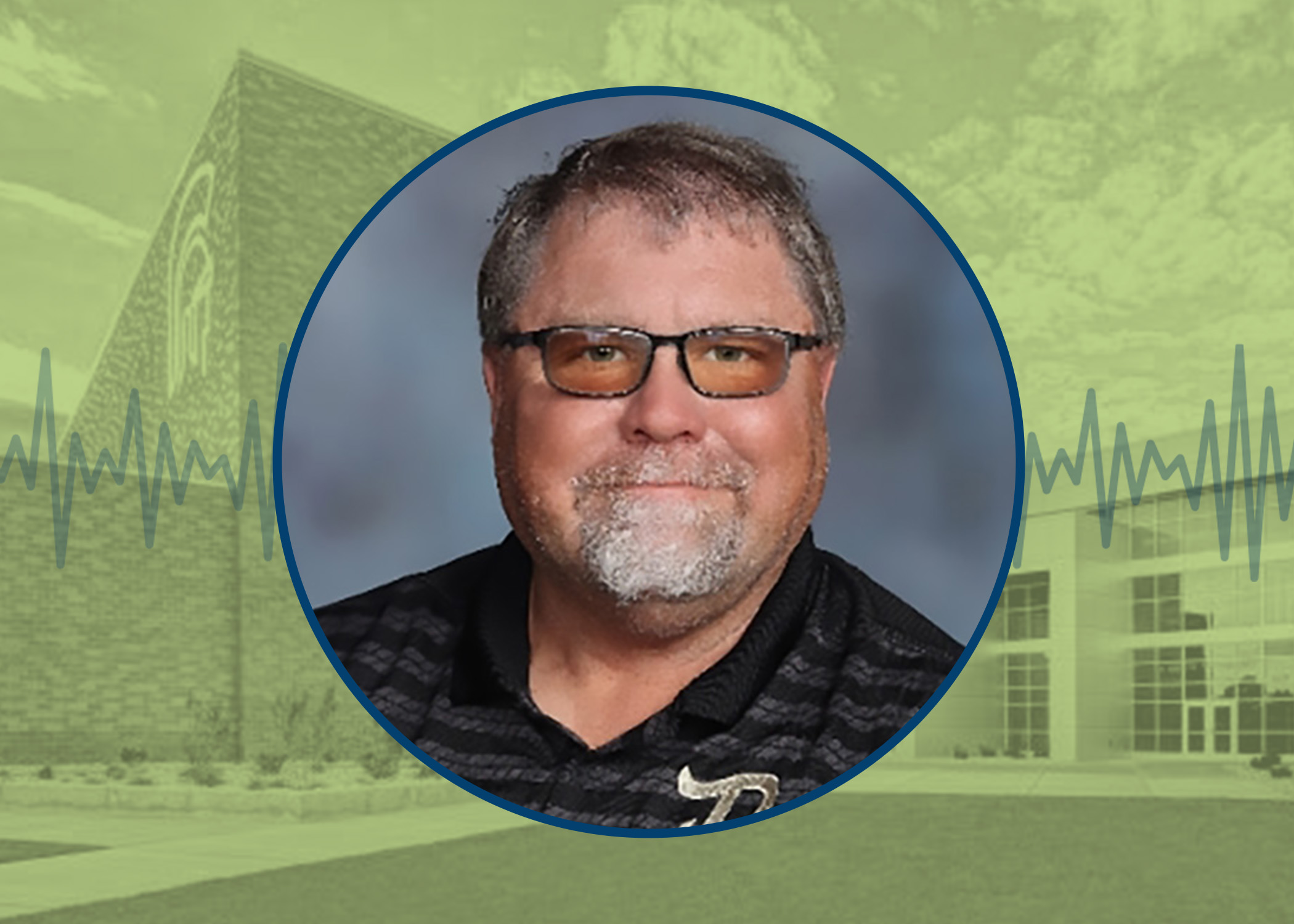
Episode Guest
Listen Now




Episode Transcript
Please note, this transcript is generated by AI and may include some errors.
Spencer Payne: Okay, here we are with fun of the class, real stories from real educators. Our real educator today coming at us from Idaho 2026 Teacher of the Year, Laron Johnson. And Laron, how do you introduce yourself to other educators? What are the types of things that you'd like to highlight?
Laron Johnson: Wow. Well, I've been educated. I've been doing the education game for 29 years. I just finished it two days ago. 29 years in the books and I have the best job in the world. I live in the shadow of the Grand Tetons in Yellowstone National Park. So I have a great backyard and really weird school where a bunch of small communities that make the second largest high school in the state of Idaho. it's a bunch of towns of 3000, 2000 we congregate and yeah, we have the best community out there in the state of Idaho. So I love being here and it's an absolute honor to work with the youth of Rigby my entire career.
Spencer Payne: Great, and can you share a little bit more about what subjects do you teach? And also with that community aspect that you just shared, how many students are in each graduating class? When you look out into your student body, what do you see? So a couple questions there is, what do you teach? And how big is your class? And again, when you look out into your student body, what's looking back at you? What do see?
Laron Johnson: Yeah, we just had a record graduating class of 450 right on the button. Next year's is supposed to be 500. Well, that's huge for Idaho. I know there's some other schools out there that approach bigger numbers, but yeah, yeah, we're again, we're significantly large. have 13 buildings on campus, but I get to teach really cool subjects. Economics, which I give.
Spencer Payne: Okay.
I mean, that's pretty big anywhere.
Laron Johnson: When I graduated from college, there was no way I was certified to teach it, but it was, believe it or not, life experiences, paying off a house, having a good 401k, having a great wife who has common financial goals. And 10 years ago, I said, why not? had taught world history forever. And we made that adjustment. I started to do life lessons with the kids and it's amazing. Now economics, if you read our textbook is probably the most boring subject you'll ever learn.
I've had professors put me to sleep at seven o'clock on a Thursday night, but that's the challenge. And after Relix succeeded in world history, was like, why not? And I put myself a lot with seniors. I'm really known though for my human rights education. teach Holocaust and genocide studies and it's an elective class. so I mentioned our class of 450, about a third of the students throughout our population of 2000. And we're getting classes of 500 coming up here pretty soon. So we have a student body population about 2050 to 2100. About a third of those take that class. And I mean, it's got a long legacy and we have a lot of traditions. Last week we had Peter Fiegel, who is a legendary Holocaust survivor speaking to our community via Zoom.
We have a lot of partnerships with rival schools there and even next week, next Tuesday, off with our rivals, high school, Madison High School to take about 38 kids to Central Europe to study the Holocaust. So yeah, that's what we're known for. And I even have a little freshman class. It's all about them. And I teach everything that they're going through. And I don't even spread that one around. It's all word of mouth, brothers and sisters say you will take this class and we have a lot of fun. So I have a dream job. I get to teach nothing but life experiences. get to teach human rights. And yes, it's more reverent than most church services you've ever been to, but the kids just want to be there. And then my freshman classes, a bunch of wild little hormone driven kids that are wanting to be there and they focus and they go, oh yeah, the guy gets us.
I tell them I've been 15 years old for 30 years, 29 is a teacher, one is an actual 15 year old. I think that's, yeah, that's, that's what I do. And I do, have the best job in the world and I never lose the passion for the opening bell. And that's what I want to do. I I'm very blessed and honored to be a teacher.
Spencer Payne: There's thank you for giving us so many threads that I can pull on. I'm not even sure where to start. So I'm going to pick on this one. I heard 40 kids go to central Europe every summer. Can you share a little bit about like how in the world did you, I assume you, you maybe started this and feel free to correct me I'm not, but like how in the world did you sell that trip to the parents and the administration to take 40 kids to Europe? That sounds daunting. Like how did you pull that off?
Laron Johnson: Yeah, it is. So we go every two years. And we actually, it wasn't me, it was a collective cohort right through the wall behind me on the video transmission of this is Kerry Thomas. He is my brother. A spiritual brother from another mother. is everything. And we have really built seven full sections every year. And we're actually expanding that to college section next year for an extended studies, but our rival high school David Reeser We have done so much professional development with him I've traveled in Europe with them Carrie's traveled in Europe and We take these two rival schools and I mean rivals And we say why not take these kids and put them together the rivalry is done after the first morning breakfast it's our at the airport. Hey, let's go get a quick candy bar We just landed in Europe and I'm like go get the ritter sport go get the milk You got to go do that and the bonds immediately start
So teah, it's it's a brotherhood that does this I can't even imagine doing it alone and we even have great partners in Europe our guide is Alicia she's a 90 pound little blonde woman who's a Brazilian dancer and a disc jockey and she hangs out with the old man and the kids see us and we just get to be real with them. And when we get over there, the coolest thing happens because we teach both 12 week intensive courses. So sometimes the parents go and so we, the teachers are the mentors, the kids are the teachers and the other adults that might be a parent or that that's coming, they're the student. And it's so cool to watch our kids know exactly where they're at at Auschwitz Birkenau or Dachau or the Warsaw ghetto. They understand it and they're like, but they start to go, holy crap, I'm here. And that's the real exciting part. But yeah, it's awesome kids in the brotherhood.
Spencer Payne: Yeah, what can you share a little bit like, yeah, what what what are some of the impactful stories or or aha moments? Or like, what are some, you know, or any kids who come up to you say, like, I can't believe we're here, we've been talking about this for all these years, like, it doesn't feel real till you see it. Or like, can you just share a little bit about some of the impact or some of the reactions that you get from the kids or their parents when they go on these trips?
Laron Johnson: Right. So a couple of things there at the site when we're like at Auschwitz-Birkenau, our kids read a book called Auschwitz True Tales from a Girl Test Plan by Sarah Nomburg-Szyszczyk. It sounds like I'm swearing there, but the Polish is hard. When we get to what is known as the Zugang Barrack, this is where the people who were selected to work came off the train.
They didn't have a job and this was a pariah place for two weeks. was nasty. It was vile and Sarah barely survives there. And when we're reading out of the book and the kids are there, they're like, that is an aha moment. Like I am where Sarah Namburg is. In fact, when we read literature, the only experts to the Holocaust are those who went through it. I'm a lifelong student. All I tell my students is I'm your leader and I'm a lifelong student. So I'm with you. I'm just your team captain basically. And so when I'm there like, holy cow, Sarah was right here in the mud in the barracks and they, they remember about every word. And then the other cool thing is when I'm on the bus, I rotate. I, this year, my wife's going, I got news for my wife. I'm not sitting by you on the bus. I'll sit by you on the plane, but I'm going to go by each kid and have conversations. And especially I'll run over to Madison kids and like, what do you think? And then they're like, well, this is what Reece taught us. this is, and then it's that combination. And so we're breaking down boundaries. I've got a couple of kids that are going with me. I'd adopt. I I got a, I got a girl, sentimentally lost her dad a couple of years ago and she really embraced this tough subject to start to see the light more.
And I get a tour with her this year and I can't even believe how many side to side conversations. And at that stage, she has graduated from high school. We're colleagues. That's gonna be the theme. We are colleagues and we're gonna talk deep Holocaust education. And it's really something she wants to go do is do this type of research. And that's why I'm immensely proud of them. But I get to so many cool conversations with kids.
Spencer Payne: And on this one, one more question. Can you share a little bit about how this got started? Right. And maybe for other folks who are listening, who might be like, that sounds really cool. That might not be my subject, but I'd like to do a trip like this. Can you share a little bit more about how this got started and maybe a couple learnings or things that didn't go right in your one that you learned from?
Laron Johnson: Yeah! Right.
Yeah, it's the professional development that David Ries or Carrie Thomas and I did. We kept on going to Europe. We kept doing trainings. We would sign up for competitive programs from the United States Holocaust Memorial Museum to Kenistah State University. And so we kept doing these programs and like what's stopping us? And I'll give Dave Ries her credit. He says more collaboration. And it started like, hey, let's do this because we had been bringing in speakers and even former neo-Nazis, Tony McAleer, who has totally reformed as a thing called care for hate. He came and spoke to our schools how he was a dark person in the Canadian network and literally wanted to do good. And he did. He turned his life around and he's now a phenomenal person. But yeah, with all of that, we're like, let's go and we did we just did the planning now.
I think the biggest nervous thing that I had as a leader on the last trip I didn't sleep the night before because was the bus gonna meet us at a certain time to get us to the Salt Lake International Airport? Three hours away it really clicked it really flowed I know not to go on a chocolate raid in Germany with adults and students because Alicia might get mad at us because we were 20 minutes late because here's a bunch of Americans invading a grocery store and bringing down, I mean pounds of chocolate back to the bus because we had to fly home. So I know how to behave a little bit better. And I'm even talking my own little behavior, but we're adjusting some things. I'll tell you a weird one.
We go to checkpoint Charlie. Checkpoint Charlie is interesting if you're Gen X, don't get me wrong, the kids need to go see it. They're like, here was the, we're gonna go to the Berlin wall. No, if you're in Berlin, you're going to the Berlin wall. But we're like, let's go to this other monument instead, instead of spending two hours here. And because we have a good partnership with EF Tours now, they're like, absolutely, we can do detours. So they'll listen to us. And they know that we really care and our guide is immense. And like, yeah, we'll do this for you because I have to find cool things for you to do, but I don't have to teach anything because you guys know the level. So yeah, probably rewiring some experiences and not getting in trouble where the adults are letting the kids into trouble. So yeah. What's that?
Spencer Payne: How long? Yeah, how long have you been doing this? How long have you been doing this trip?
Laron Johnson: We've been, no, this will be the second trip. Now the program goes back to 1989, way before I was a teacher. We're in the third generation of teachers in this program. And Dave Riesler launched Madison's program. I'll mention I taught with him at Rigby Junior High School years ago. That partnership just kept going. But yeah, as far as teaching the intensive course, we've been doing that since 1989. and I have been doing it together for about 13 to 14 years, I would teach a very one to two week intense world history unit. I always have taught the Holocaust for my entire career. But the intensive course, we basically inherit that as almost a rite of passage. When we had a great teacher that retired a few years ago who had he had the Jewish heritage, we don't, by the way, a lot of people go, well, are you are you Jewish? And I'm like,
No, but I am I am a human and I'm into human rights and our kids eyes just pop open when we study the subject and they really do they go through a lot of darkness, but they seem so much light at the end and they become advocates of light and good they'll call people out in public when they see something wrong. I am so proud of my students on this one.
Spencer Payne: On a different note, I do want to change gears a little bit to this economics. You made a comment about, had no interest in teaching that. It was boring as heck for me until life experience taught me otherwise. And you started teaching it maybe about 10 years ago or so. So how do you put your stamp on this topic that previously to you puts you to sleep?
And now you're trying to make it interesting. Like what are some things that you do to bring that topic alive to these seniors in high school?
Laron Johnson: Yeah, if I would have taught up my first year, I probably would be still teaching, but I would have ran to world history or US history, the first chance I've got. I've taught every social studies except government. The biggest thing again was I had kids raised through the high school and I started to see more deep personal connections. I've always had connections with my kids, but what can I provide? Can I provide the most entertaining amazing lessons in world history? Or can I do something that has a greater effect in them? That's where I did that paradigm shift is like yeah, you have paid off the house You do care about your finances You do watch the stock market and why not and I just read the standards the idle standards in detail
And I'm like, I think I'm gonna like this and I had some great guidance from our department head at the time, Jess Erhart. like, yeah, learn, do it, do a prototype class. I mean, within a year I had taken over the entire economics program. She did more college US history. I know I have expanded this to a college course in economics, but again, how can I make something relate? So I do, I do weird assignments like what we'll do for money. What's the weirdest thing you've ever done for five bucks?
Where's the place you would go live and work your career? Could you separate from your family to make finances meet? And yeah, we do fun assignments, entrepreneurship. We pitch a product. We build stuff out of what I call the kit. It's literally a a map cylinder with straws and tape and all sorts of weird stuff. And the kids will do innovation and entrepreneurship and just invention innovation and entrepreneurship and do the whole package. We just have fun doing it. And I've had so many I love my notes I get from my kids. got seven or eight beautiful letters on the last day of school. But when I get a kid who says, I was dreading this subject and you made it real for me. Thank you. Yeah, that's where it hits me the most of all my thank you letters.
I get a lot with Holocaust. deeply appreciate this. I'm not ranking them, but when I get an econ one, I'm like, wow, they like economics. They get it. And it's the one subject they can't get away from. You don't have to go vote. You should go vote. Every kid should vote. Let's register them at 18. Let's get our kids active in politics. But in economics, you've got to earn a paycheck. I said, the only way you can do this is go to Alaska, live off the grid and get a $1,000 government payment. And even there, you're going to do economics because you're going to take care of that $1,000. You're going to trap. going to like, do I have enough wood for winter? So you can't get out of economics. It's the one subject. can avoid US history. I don't wish they would do that, but you can avoid economics.
Spencer Payne: Yeah, so what are some examples of how you make that interesting? Like you mentioned a couple questions that maybe you go through and ask in class, some innovation hubs, et cetera. can you share, if I'm another teacher out there right now who's thinking like, all right, how can I help make this more interesting? What would you share? What are some examples that you know work well that really resonate with the students that you might share of like, try this, this, or this?
Laron Johnson: Right, and so, yeah.
Yeah, so a couple of weird little things is you always incorporate everything into their daily lives. The one major thing, and I'll go something really minor and specific, I have a ton of experts in my class. So about half my teenagers to two thirds, they go out and work every day. They notice cash register behavior. They notice supply and demand or an excess price when something is scarce and a mom is not gonna buy chocolate this year, but three years ago she would, but because the price is now 350 for a king size Hershey's candy bar. And so you see less buying and I have all these experts that go, what have you seen it? Wendy's, what have you seen people do? Are people buying the biggie bag more? Are they going for the full combo? And then we can start to, there's my expert panels.
And I, again, if you put me in front of a cash register, I would need training that day because again, my kids are experts. They bring that in. But then what about our daily things that we do? do probably on day three, I have them put everything that's in a chicken nugget. I want the asphalt for the road that gets the chicken nugget. I want the semis. I want the advertisements. I want the breading. I'm from Idaho, so the kids won't even talk about chicken killing devices.
I know this is a national podcast, so I won't go too deep into that. Or, but they will think of everything. And we just do this. And then I got, you know, I'm the teacher and there was this student who did a whole master's thesis on what went into a pencil and it turned into 120 page document. I go, we can make this whole class on the chicken nugget for the rest of the try. We won't.
Spencer Payne: Yeah. Yeah. Yeah.
Laron Johnson: But we keep mentioning throughout. So even as simple as their two year old habit of mom, want chicken nuggets. There's so much economics and chicken nuggets. That's just crazy. So you take the things they love, and you put the economics behind it, and they're gonna love it and get it. They're already. They're already intense seniors that are going to school eight hours a day working six hours, still managing to get a date to prom.
All of this, they sleep like four to six hours a night. And if you can get them amped up about life and that it's important, you've done something well, you gotta, again, don't show them certain demand curves in that. You use it afterwards when you've showed how cool it is. But if you start with something dry, you're gonna kill them. Yeah, they will pass your test. They'll get a C in the class, but give them some life tools for the rest of their life and not just life tools, everything that's economics, show them how it relates to them.
Spencer Payne: Yeah, you made a comment there that's so powerful. It's like there's so much economics and there's like there's so many interesting things about chicken nuggets, right? Like, and there are there's so many interesting questions you could kind of guide in terms of like, well, hey, when when the 20 piece goes on sale, do you buy it more often or less often?
When it goes off sale, are you like, oh man, I missed that. I guess I'm gonna try something else. Or do you go back and pay more? Or are you so rooted in what you used to pay that you just won't pay the new price anymore because you're used to the sale price and you're go buy something else. There's so many interesting ways that you could go apply that, right? And then you could show the curve or the graph or the blah, blah, blah, because now it's rooted in something tangible or something real. One other thing that you mentioned that I'd love to hear how this came about when we were talking before was you'll show kids your paycheck, right? And go line by line, like here's taxes. Here's what this tax item represents. Here's what this one represents. Here's how much this is. Here's how much this is.
Can you share a little bit about how that came to be? Like how did you decide to go show that? And what's the reaction that you get from students when you kind of walk that through?
Laron Johnson: Well, and I first, the pay stubs come up and we do the standard three, federal, state, FICA and FICA, social security and Medicare, all of that. So we do the simple thing and I show them on the board and everything. I go, these are the big things now. And then I go, how many of you have actually seen your parents pay stub? And if I get probably one yes per 30 kids. And then I have to dissect that. Yes. go, did you see it on the table open or did you see it? Hey, I would like to talk to you. My daughter, this is where money comes from. And that goes to like one in 90, one in 90 kids actually have their parents. And I send letters home to parents. I go, I have these kids for
Spencer Payne: Yeah.
Laron Johnson: 47 to 55 hours a trimester you have them the first 18 years of their life and all the conversations are afterwards I go please talk about credit cards and everything but a lot of them don't see they've never seen that how it grows so I'm like okay here we go here's the simple pay stub and here's mine and once you know so I won't get in trouble I know my pay is public record because I'm a public employee.
So I know I'm not gonna get in trouble with this in the long run, but a lot of people think I'm nuts for doing this. I'm like, why? So I show them my insurance is taken out. I show it what it used to be when I had kids at home. I show dental and then I'm like, hey, we all have problems. I have cancer that runs in my family. So I have a big cancer policy. I have a very accident prone family that climbs mountains and skis and breaks Achilles tendons.
And I go who's sort of aflac, you know, and I have voya, but I don't have aflac But I guess I'm doing a commercial here, but I start to say no I have all these breakdowns I even do comedy I say if I ever have a heart attack in class and you can go get the ad and shock me back to life I get this $25,000 payment because I nine dollars and 58 cents every month I'll give you a cut of that man. If you bring me back to life...Yeah, so I throw, I'm serious, but I throw humor into it as well. I even show, yes, I've kept some life insurance for my kids because they're young married couples. If that heaven forbid was to happen, I don't want an added funeral to add more stress to their spouses. So yeah, we've kept it. It's eight bucks a month per kid. Why not? But yeah, and we get a, it gets a pretty long list if you're serious about protection and I show them.
Easily how about two thousand four hundred dollars on my check The government takes some the state takes some but a lot of it's just Supplemental and I show them how I invest. That's the biggest one. I'm like Five hundred dollars here Every month and then when the tax person comes and says hey, Laren you got Cathy you got some issues My wife's name is Cathy Here do a nineteen thousand dollar IRA to set off the tax man for a while. And so I tell them everything and I just, and I go, you guys have some years, but you're going to get your big boy and big girl britches on in four to five years. But some of these kids could literally have a career after six months or a year of trade school. And I go, you'll get this phone call. My son had to pick from one of 27 insurance plans. I, yeah, I as an adult better tell these kids.
Spencer Payne: Yeah, how do you choose?
Laron Johnson: that this is all going to happen, at least if I could put that seed in their head, they're not shocked when they go into HR, or their finance person at work and get overwhelmed that first week of work. So I think it's really going to help out.
Spencer Payne: Yeah, kudos for doing that, especially hearing the stat of like, you know, ballpark one in 90 kids that have come through your classrooms have not only seen their parents paycheck, but have walked through it in like a proactive, intelligent, this is how this works. Maybe this is why I do this, or this is why I chose to do this this way, or this is why I put this in a 401k, but I put this in a Roth IRA. And this is how that impact like, like for only one in 90 kids to have that education at home.
Like this, be honest, this is like, this is foundational, important education. So kudos to you for filling the gap for the other 89 who haven't had the ability to see things done that way, um, through the lens that, that you're doing it where, you know, hopefully they can also see and, Laren's doing trips to Europe every two years for this and that he's a paid off how you're doing this. Like he's obviously doing well. So maybe I'll learn from this person who seems to be doing it well. Cause by setting a good example, hopefully...hope is that more people want to follow a good example. And kudos to you for doing that. Can you share like how did that happen? Did you do that in your first year? Like of teaching economics is just like how am going to make this interesting? Like what's the origin story of when you decided to do that?
Laron Johnson: yeah, that's one thing I'll always cherish when I teach a class for the first time. I do, put my heart and soul into it and I tell them, if I fail at something, you're gonna tell me. If I bombed something, you're gonna tell me. When I make a spelling mistake, you're gonna tell me. I have no pride. I literally have to have feedback from you guys because they already know that their brothers and sisters tell them that I'm gonna care about them immensely. they, the brothers and sisters say, he loves you unconditionally, but never piss him off. And I haven't been pissed off with a kid in about six years. So that legend's still going on, but yeah, it was just so, I'm like, it's about the kid and I just build every little bit of it. I build some more and I think about it.
And it's almost like a team you've never played in football. You, you, you scout as much as you can, and then you go forward and you look at the standards. Most people's standards literally give you a lot of flexibility because especially in social studies, they're very broad and you're like, well, I've got to hit it in what's the best way. And what is my life experience that I can bring into this? So again, the attention to detail even next year, next year is my 30th year. I'm going to do an adjunct theme through Idaho State University. And I'm doing this again. And I'm doing history and film where I'm going to use six films of deep historical analysis. And I'm doing the extended Holocaust studies. Now the extended Holocaust studies are like, holy crap, what if I've never had a chance to get done? Or what did I have to cut when we did this time restriction or that?
But I'm really excited for the film because what deep lessons I'm going to dissect the film glory. I I want there's a lot of truth and glory and there's a lot of Additional histories and with traveling I have found a lot and I can't wait to build that but I'm gonna be like guys if you're bored with any of these films, you'll let me know because they're not gonna be bored with glory, but There's other films out there like no I'll need to replace this and let the kids help design things and it's pretty it's pretty amazing.
Spencer Payne: Well, we I gotta ask and maybe you can't say it, but why do kids say don't piss him off?
Laron Johnson: I'll say it. Yeah, I Taught a field class at the junior high For 11 years of my career and we would take students on 15 field trips in a 12-week time period and that's probably where the legends happen like a kid Getting on the bus 20 minutes late from a stop That's where like no, I'm not even dealing with this or so back then that was eighth grade and I would sometimes I would go into Teton Canyon. Here's the Grand Teton's in the background and then we would have a spring snowstorm of four to five inches and you know I would go one minute dead silence and this is so rare because most kids would give you that one minute silence and I once had a couple of giggles and I'm basically like, no.
And I was and I go get to the bus and these same two students Would come up and like humbly apologize because they had offended their sensei and Yeah, I always get the apologies if someone really ticks me off but One place where people see this I do bus duty every night for two schools. So when I do bus duty, I'm in charge of the entire transportation of 40 buses and about 1300 kids. So I'm doing bus duty, but I launched the whole thing. And I will yell at a kid if it's in the name of safety. This is they don't have me. They've heard the but they'll but when I do that, I'll be like, hey, come here.
Spencer Payne: Cheers.
Laron Johnson: I love you, I don't want you hurt, this is the reason. And you have a good day. I know I yelled at you, but I'll build after someone's ticked me off. If you do, those two girls that ticked me off, they became some of my greatest students, because I transferred to the high school pretty soon thereafter. They had me in three more classes and they would go, yeah, we remember that day, we were so scared. yeah, so I do have a booming voice. Some people say they can hear me across.
You know a half mile doing bus duty But it's also loving I do so many high fives Middle schoolers will just randomly give me a hug and I know this is a podcast but look at my face a sixth grader coming up to give this guy a hug That's pretty cool. So a lot of them will spread the word. mr. Johnson really cares about you wave at him and so I have I have so many students that I high-five and knuckle but most of them will be like, so sorry if I yell at them and I like No, I love you. We'll build on this and it's good.
Spencer Payne: mean, that's really powerful though for others listening. This doesn't necessarily even apply to students, right? But just when the other person who you're interacting with knows that you're coming at the situation from a place of genuinely caring about their situation or their improvement or whatever it is, but you actually care, then sometimes you need to yell.
Right? But sometimes if they, if that other person knows that it's coming from a place of like looking out for your best interest, right? that's completely different than just yelling because someone's being annoying and you're fed up with them. It's completely different situation. And it sounds like you've done an amazing job of threading that needle. Or again, you might yell at somebody like, I know I yelled, but it's because I care about you. I want to make sure you have a good night. You get home safe. Like you have a good dinner tonight, whatever it is. And like, when you do it that way, it, it, changes the whole dynamic of trying to get someone to change their behavior for their own benefit.
Laron Johnson: Right. Even if it's in the classroom and they went a place they shouldn't, we usually correct it in words. But soon as we'll get to group work, I won't go say a word. I'll just walk by them and pat them on the shoulder. That's that human touch. And it's like, no, I really am past this. tomorrow, right this second, we're good. Not tomorrow. We're good. This second, we're good. I recommend that if you ever, if you really care and you have to get to that yelling moment, show them you still care by telling them and then just three minutes later, walk by, pat them on the shoulder or just a nudge on the upper arm. It's, yeah, that's what shows true caring right there.
Spencer Payne: Yeah, 100%. I'll share I have to do the same thing with my three and a half year old son, right? Of like, we have when we say red light, when we're riding bikes or walking up the street, that means we're coming up on a street, we're on the sidewalk, we're kind of on the street, I say red light, that means you stop, right? And there's some times where, you know, he doesn't stop right away, he pushes it to the limit of the sidewalk in the street, I have to say it three times. And then sometimes, sometimes we have to scream. And then sometimes he's like, Oh, but you yelled at me and like, I know.
I only yelled at you because what did we say beforehand? If we say red light, you stop on which time? The first time? Yeah, the first time. When did you stop that time? The third time. Okay, so I only did it because I didn't know if you heard me and I wanna make sure you're safe. All are we good? Are you gonna stop on the first time next time? Yes, okay. Sometimes I gotta yell and he gets, you you yelled at me, right? It's like, I gotta explain the situation. I don't wanna yell at you, here's why. Here's why I felt like I had to do that. I don't wanna do it next time. And again,
Laron Johnson: Yeah. Yes.
Spencer Payne: Hopefully three and a half years old, knows, right? Hopefully the mindset is like, I'm doing this to try to look out for you, not because I want to. After almost 30 years in the classroom, Laren, do you have any proudest moments? Any things that you look back on over the years that are, I mean, it seems like from, said this is the best job in the world, so I'm guessing you have 500 proudest moments. But are there any other short lists that you're like, that you still look back on, they still make you smile? Like these are some of the best moments I've
Laron Johnson: Absolutely.
Yeah, that's a difficult one...Back to that, I'll give you a quick three. In Yellowstone, that field class I taught, again, 11 classes, 268 field trips, excuse me, 20 classes, 11 years, 268 field experiences. There were moments where you were on a beautiful fall day, it's like October 25th, and we're walking after a 12 hours in the park in the sun setting and you're like I'm in Yellowstone with kids and it was the most perfect day. Eighth graders remind you, eighth graders and I, that's, it seems like I'm bashing on them but they are the funnest group to connect to. When you connect to that age group, wow, because the girls do mature faster, the boys are, you gotta get your little boy on.
And it's, it's so much fun. So I've had those dead quiet moments where the creeks babbling, the sun is setting with students and it's awesome. You know, a couple, one that really surprised me is I had, again, rural Idaho, we don't have a lot of kids that, we have a lot of kids going on to college, BYU, Idaho, Idaho State University, Boise State University of Idaho, my alma mater, Utah State University, but going, I won't call it big, but bigger. And I had a student to, he did, he wanted to, he went for fellowships and all sorts of things. And he, he was, he was applying to young Cambridge programs when he was 15. And I go, I'm with you. And I, these letters of recommend were fine tooth combed hours.
I can write a letter of recommend in about 30 minutes and I usually can get that kid that scholarship help them out. I'm really good at writing letters of recommend but when we're going for Columbia or something huge, I say no, we'll have conferences and we did and he was applying to maybe 15 spots nationally so he had some failures, but we continued and finally got a great fellowship to study in Ireland for a year. And I was so proud of him. And then that transferred for him going to Stanford University. And then later he would go get a master's, I believe at Cambridge in England. But I still remember I, my principal got this random letter from Stanford and the kid had nominated me for the outstanding rural educator at Stanford's education department had this unique award where they would recognize an educator, a rural educator. And I got that recognition. So I was like, you wrote a letter to Stanford while at Stanford. And I know the rigor there. And it's just cool to have a recognition from Stanford University on the wall from my profession.
This year, Amy Curtis, she, she nominated me for the 2026 I don't teacher of the year I'm very close to their family. Their family are rafting legends in Idaho and Utah, they literally will go class four to approach Class five water they're known and she took my Holocaust class and hook line and sinker everything and just learned so much and her I would go to her volleyball games. That's one thing I must say go to your kids events Go to their volleyball games the football games the choir concerts a D &D tournament and you might not know what's going on but go and pat them on the back when you find out they want or have them explain to you if they lost so you can like will teach me so they have a positive theme, but I Would go to so many of emmy scenes and her fellow teammates and so many kids fall
She's the one that typed up my recommendation for Idaho Teacher of the Year. And this was the fifth time I had been nominated. And I was so grateful. I did not know she nominated me. But when I received the award, I called Taylor, who's the executive assistant at the Idaho Department of Education. I go, can you tell me who nominated me all these years? And I knew the first year when I made finals, but she told me everything and I'm like, wow, Emmy Curtis, that girl three months later, and I have permission to tell you this, but she contracted a very serious cancer. I won't tell what type, but she fought it and beat it. She had to shave her head. Everything was known for her wigs. She just graduated this year and we had done so many things together. I just got a big thank you from her parents and everything. I'm so proud of her. She's going to Ecuador. She just got several scholarships. She's very academically inclined, but that moment just continues to grow because we have a partnership and she and I just clicked and there's so many of her friends that supported that, but she's the one that wrote that letter.
And I will be forever grateful. I'm going to pull this down. This is above my desk. This was her Holocaust art project. It's based on a little boy called Nono in a film called La Raff, a French film that we watch in Holocaust. And he's in the children's memorial at Yad Vashem in Jerusalem. And she took so many combined lessons and just did this and this does this sets above my desk when I retire it will be framed in my home. I'm going to have a unique retirement home because I'm going to have all these Holocaust paintings and you know it won't be great for company but I want my kids to go home with me and I'm not retiring for many years but I think those three stories I have hundreds of others I'm going to have 20 here in just a week when I see rival kids get along. But yes, when you said 500 plus thousands plus, I can't remember all my 9000 students.
But sometimes they come up to me and you like you did this for me and you did this for me. And I'm like, yeah, those memories are so just deeply internalized. They sometimes come out hour later, like, yeah, that did happen. And yeah, there's too many again.Even this year, how hectic I don't teach her the year is coming to my classroom. That was my break. The five classes I had a day, that was my break and they knew it too. I was like, no, this is where I get to hang out with students and do my job. And then I've got to go type up an op-ed or prepare for an interview. And yeah, so the kids are the break and the recognitions. I can't even describe that I have the perfect job where I have no resentment and I just get a walk and smile every day knowing I work, had 9,000 cool kids to work with.
Spencer Payne: Yeah, incredible. Thanks for sharing that and congratulations on all those kudos seems like what very well well deserved and well learned. And sadly, we're coming up on almost our time here. So I'm to do some just rapid fire just quick hitter fast, fast break questions to wrap up here. Just a couple more before we before we have to wrap, unfortunately, like you're almost on 30 years teaching, I'm guessing there might be some new teachers along the way maybe you worked with this year. What's the number one piece of advice you give to teachers?
Laron Johnson: Thank you.
Spencer Payne: who are in their first year and then maybe coming to you and saying, Laren, I'm struggling. How do you help them? What's the number one piece of advice to give to those new teachers?
Laron Johnson: connect to the kids, go to their activities and do all you can to make your subject connect to them. Analogies, analogies, analogies, bring things that they know into the subject and their eyes are gonna get bigger. Yep, as a rapid fire answer.
Spencer Payne: Yep. And what to you is the number one single best thing about this profession education?
Laron Johnson: of simply the kids and their interactions and embrace their lives more than the subject. Go see what they're doing. Run to the supermarket. Look what's in their cart too. Have fun. Be a dork a little bit. Have fun and giggle. I do that by the way. I'll go through their cart and because it's awkward to always see your teacher at the supermarket so we'll like they'll bash their cart into mine and then we'll start to compare things so have fun.
Spencer Payne: Yeah. And what to you is the single toughest part about this profession? Or if you could change one thing overnight with a magic wand, what would you point that magic wand at?
Laron Johnson: watching a fifth to a 10th year teacher leave the job, especially when they have it. I have respect for a first to third year teacher that hates it and they get out. It wasn't for you, but when I see a fifth to 10th year teacher leave the job because it usually happens with something in the office. It's not the principals, but some political thing and they don't know how to weather a storm. And they do have a brain, their brain is grown and they're a little more offended. That's the crime and we're losing a lot of fifth to 10th year teachers. If we can get them the 15th year and they're loving it, they're going to become legends. But we're losing a lot and that's nationally known.
Spencer Payne: Yeah. And if there was one thing you wish parents or folks who have never been in your shoes could know or feel about what it's like to be an educator in today's world, like what's one thing you wish you could just kind of inception of like, I wish people knew this who have never actually been a teacher or been in the classroom. What's one thing you wish folks would know or understand who have never, who have never been where you are.
Laron Johnson: Will give countless hours to your kid and I'll lose sleep in a positive way I will worry when there's a crisis or something going on with that kid But I will lose sleep in a positive way For example is the bus gonna pick my kids up at the right time to get them to the airport I Will be amped I'm gonna be amped for your kid, I'm going to be amped in the classroom. I'm going to be amped at their athletic event. And I'm going to be amped when I see them at the store because they're cool and they deserve that. And we need to celebrate them. We really do.
Spencer Payne: Yep. And last question, anything that you wish we were able to talk about that we just couldn't today, that some new words, final words of wisdom, or maybe anything you already said that needs to be repeated because it's just so darn important. So any new or repeated final words of wisdom.
Laron Johnson: I am so proud of, we have a thing called the McLeod Scholarship here at Rigby High School and we give two a year and it's those who wants to be a teacher. My daughter just completed her first year of teaching in the same school district. I'm so proud of her. My wife teaches in the same district, but when I see a kid have a spark, even at 18, oh, cherish it, build it and know that it's not going to be easy. Cause that's when I got my spark is when I was 18 because a teacher cared for me.
If someone's going into this career and they are like, Hey Johnson, I'm thinking about doing this. I'm like, well apply for this scholarship. And then I'm like, it's those two kids. If I see them become teachers later in their career and they actually love it. And my daughter was a McLeod scholarship winner. That's awesome. I can't even explain that. So if someone wants to follow my footsteps and be a teacher,
I will embrace them. I get to call them colleague in the future. And I do, have students who are now my colleagues here at this high school, because I've been here so long. So that's cool.
Spencer Payne: Well, Laron Johnson, certainly some great real stories from a real educator. Thank you so much for sitting down with us. Congratulations on 2026 Idaho Teacher of the Year. Well deserved. And thanks so much for sharing your stories and your wisdom. Appreciate you.
Laron Johnson: Spencer, thanks for having me. This was a highlight for sure.



Moreland University can help you take your teaching career to the next level.
Whether you’re looking to get professionally certified or earn an M.Ed., our 100% online programs can help.
Complete your no-cost application (it takes less than 15 minutes!).