
.png?width=300&height=74&name=MorelandU-logo-WH-RGB%20(1).png "Moreland University Logo")
Front of the Class Podcast | August 20th, 2026
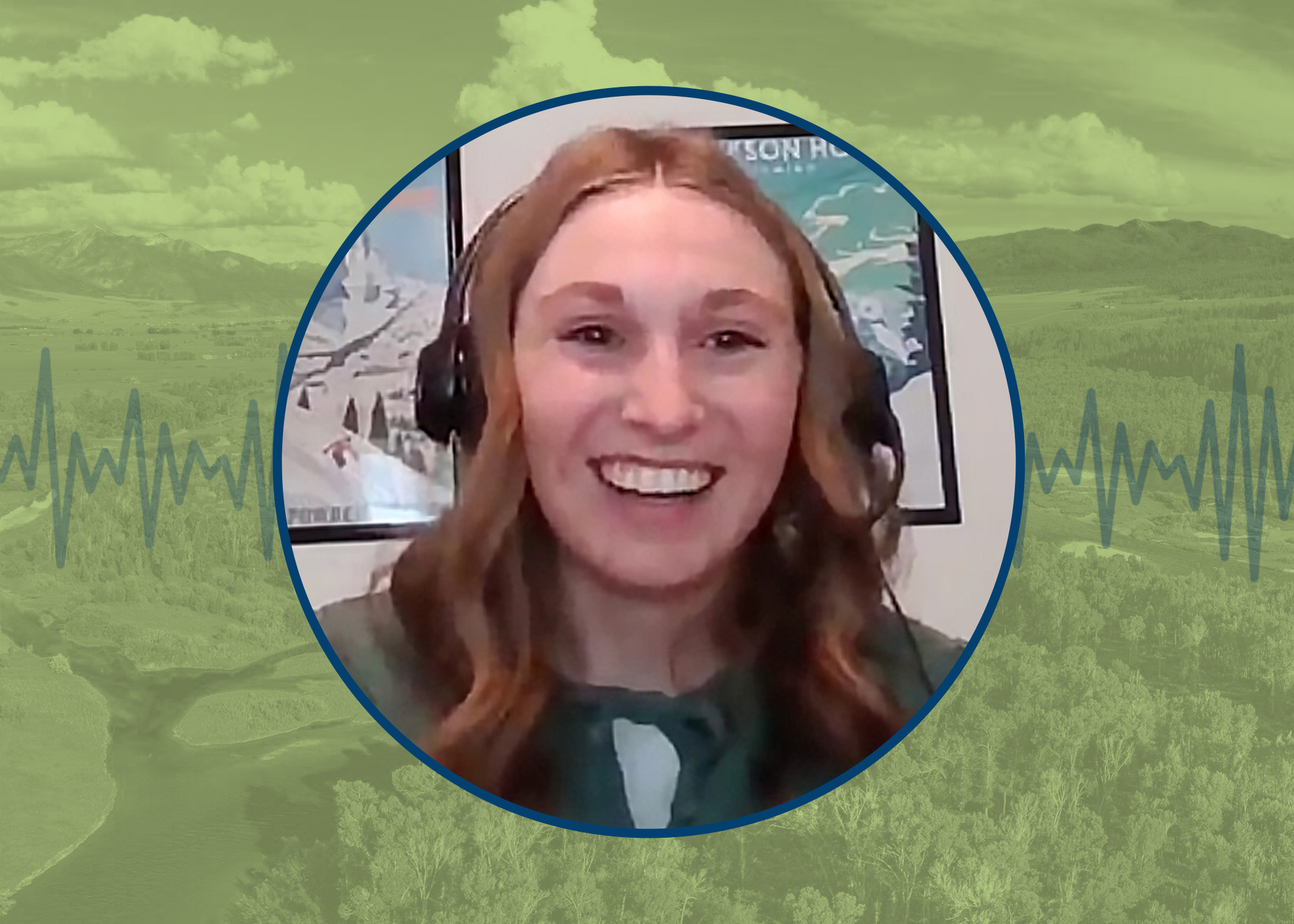
Growing Through Your First Year of Teaching with Allie Peterson
In This Episode
Allie Peterson recently completed her first year as a teacher, leading third grade classes in the same Idaho community where she grew up. It didn’t take her long to discover that success in education is about authenticity, reflection, and building meaningful relationships with students.
In this special topical episode, Peterson shares an honest look at the realities of a teacher's first year, from navigating self-doubt and learning from mistakes to celebrating student growth and finding balance. Whether you're preparing for your first classroom or reflecting on your own teaching journey, her practical insights and encouragement offer a valuable perspective for educators at every stage of their career.
Key Topics Covered
- Building strong classroom relationships from day one
- Learning through mistakes and staying coachable
- Setting healthy boundaries to avoid teacher burnout
- Finding confidence and being authentic as an educator
- Why reflection is essential to professional growth
- And more!
Episode Guest
Listen Now




Episode Transcript
Please note, this transcript is generated by AI and may include some errors.
Spencer Payne: Okay, front of the class, real stories from real educators. Here we are today with our guest, Allie Peterson. Allie, how do you introduce yourself to others in this educational world of ours?
Allie Peterson: Well, I just finished my first year teaching and it was one of the greatest experiences of my life. I was born and raised in Rigby, Idaho, and I was born and raised with a family of educators. And so I've been around education my whole life and I really fell in love with it. So I went to Idaho State University and got my degree in elementary education with an endorsement in special education. And that really, really helped me in my first year and I got through my first year and I'm in the community that I grew up in. And so it's been a really great opportunity to give back to that community that I grew up in. And I have just been loving every single moment of the adventure.
Spencer Payne: fantastic. So we, if you didn't know already, audience, we're gonna do a deep dive on year one in the educational profession. But first, can you share a little bit about you know, what what what grade did you teach? What were the students like? Can you paint us a little bit of picture first of like when you walked into your room on day one, what what did you see in front of you?
Allie Peterson: Ha ha... it was the best adventure being able to meet my new students. I had probably the best group of students I could have asked for for year one. I taught third grade. And so I think that's just such a fun age. They are so excited to be learning. They understand the ropes of the school and everything like that. And so they're so excited to be there each and every day. And that was something that was really kind of contagious, just their excitement for learning each day. And so walking into that classroom the first day of school, I could tell like they were nervous. I was nervous. There was the whole thing going. But we got to build relationships over time and we really created a super positive classroom community that made our school year the best it could be.
Spencer Payne: and I can imagine coming from a family of educators, there's probably a bunch of tips and tricks of like do this, don't do this, do this, don't do that. And some of them are probably helpful, but I'm also guessing there are certain things that you may work for other people, but then you try them and you're like, actually, that might work for you, but that doesn't work for me. So can you share a little bit about maybe kind of navigating what advice to take, what advice to ignore, and what what are some maybe examples of things that you tried other people shared, and then you were like, I'm not doing that again.
Can you share a little bit about that learning process of what to what to take from others and where to put your stamp on things kind of on your own?
Allie Peterson: Yeah, I I always told my team too that like I was open to any and all resources. I wanted to be coachable from the very beginning. I think coming in your first year, you've had the experiences before throughout your practicums, through your internships, but this is really the first time that you get to have a class of your own. And so you've learned so much from other people, but like you said, it's not gonna work for you all the time.
And so I took any and all resources from my team and I kinda took them in and I'm like, I'm gonna try this. And I think throughout my first year of teaching, I tried every single strategy that came my way. And some of them absolutely bombed. And some of them I'm gonna be using for the rest of my teaching career.
Spencer Payne: Can you share a couple of the examples of things that first let's do the bombs and then we'll come back to the things that worked that you'll do forever. Any any any any sharings of some things that bombed and like what was your reaction in the moment?
Allie Peterson: Yeah, I am definitely a teacher who loves to have my students be in as involved as possible in the classroom. And so I always tried those things of like I'm going to let my students do presentations like this. I'm going to let my students do a gallery walk. And so some things that bombed. I'm trying to think of some I don't think they ever bombed completely.
But I think sometimes when I let my students lead a lesson or lead a station, they'd always like get in a fight some way. And so I'm like, I would have to like harness that in. And I think sometimes I remember there was this one time I was doing a lesson and I said, we're going to let this student lead this station. We'll let this student lead this station. And I remember it was a last minute lesson. The lesson that I had planned throughout the whole week the night before, it completely fell apart. And I was like, I need to come up with something else. And so I was like, okay, I'll let my students have the reins on things. And I remember we were doing a cannon pole thing where the kids were supposed to measure how far something went. And it was not set up well on my part.
And I remember these kids were leading it, and every other kid wanted, and this was early on in the school year, every other kid wanted to get in on that. And be in charge of this thing. And I remember I had a coach throughout the year. And she came in during this lesson. And there was things going across the room. Everyone was like fighting. And I remember, if I want to do this again, I need to start creating these rules and like setting up this structured environment. And we did over time. But yeah, that was one of the big things that Bond was like letting kids have the reins on things. I think it's a great way to do it, but I think it was a little too early in the school year for that. And so I think later on it worked out. But that was one big thing that bombed.
Spencer Payne: Yep. And then yep. And then before we get into things that worked that you'll do again, can you share a little bit a little bit more about like your coach was even in the room watching this thing not work? Can you share a little bit about like like what was your reaction? How did you bounce back the next day? Did you just laugh it off? Did you did you go like how how do you kind of regroup and kind of bounce back the next day after something like that happens?
Allie Peterson: Yeah, honestly my coach was just the kindest person in the world, one of the most supportive people. She always came in and she's like, if I come in my into your room and everything is falling apart, that's what I'm there for. I'm there to support you in every single way possible. And I think b having such a great relationship with her, she knew that I was trying new things each and every day. And so when she came in and she saw this, she's like, she's trying something new.
And so when she got in there and she saw everything, she jumped right into help. She's like, Do you want me to go over here and kind of help this station? What do you want me to do? And I think the coolest thing is my my mindset all school years were constant reflecting on teaching. What worked, what didn't work with it. And after reflecting on that with her, we decided that there was a lot of great elements in that lesson.
And there was a lot of really bad elements...elements in that lesson that we could fix. And so I think the reaction was my stomach drops and I was like, my gosh, she's gonna think I'm crazy. But I think she's really appreciative of just trying everything because the k the classroom's not gonna fall apart in one day as long as you are constantly trying to make it better, reflecting on the teaching. And so yeah, just a really supportive environment. It's good.
Spencer Payne: Definitely, definitely for for those out there, find people like that in your corner for sure. what what did work that you alluded to? I think I'm gonna do that now, definitely next year and probably every year. Like what what worked really, really well?
Allie Peterson: Yeah, I think my biggest thing at the beginning of the school year, so I mean, looking your first year of teaching in the face, I think every element of it is overwhelming. It's there's so much that you're thinking about. And if you're trying to think about all of it at once, you feel like you're gonna fall apart mentally. And so I was really reflecting on all of my experiences going into my first year of teaching.
And how stressful it was before and like constant perfectionism. And so thinking on that, I just asked myself, what is most important in my classroom? What is something that I want to focus and just dedicate myself to this year? And what mattered most to me when I was in school? And I think that the best experiences I had were when I had a really good relationship with both my teacher and my classmates. And so the big things every time I got a piece of advice on how I could build my classroom community or how I could build relationships with students, I took it. And I think my favorite thing that I did with my students, there was a couple of things that I did with my students that I thought really helped our classroom community was one, we did something called Lucky Ducks. And my whole classroom is duck themed. I have ducks everywhere in the classroom.
We had these things called lucky ducks where students would look for things that their classmates were doing really well. And they would look for different qualities that this person is being courteous, this person's being a hard worker, they're accountable for their work, they are being a leader, and they looked for those things throughout the week. And anytime they saw that during a free moment that they had in class, they could go and nominate somebody for this lucky duck thing. And every single Friday I would pick five of those nominations and the kid would get a little duck that they could put on their desk.
And it was just the tiniest little thing, but these kids would get so excited and they would be excited that they got to celebrate their classmate in the classroom. And so that was something that, and if I ever forgot Lucky Ducks, they would tell me. They would look so forward to it. And so it built our classroom community where we're looking for the good constantly. We're celebrating other people's success. And I want to mimic these attributes that my classmates have and I thought that was something that was very special. I think also like any advice that I could get where I could let students have ownership over their own work, I think was super powerful. And so anything that they could take pride in and share.
So we would do gallery walks all the time where they could go and learn from others people's either maybe it was a math strategy, maybe it was a writing assignment that they could go and they could point out things that they did well. And so we're learning from each other and we're building those classroom communities. I think those are two really big things that I'm gonna be taking into the next school year just to continue making my classroom a better place.
Spencer Payne: Yeah, and the the lucky ducks theme. Like like obviously anyone can kind of execute that in a little different way. Your your room is duck themed, so that's kind of how you went about it. But the broader point there was, hey, when someone's doing something awesome, like just tell Like just just go ahead and tell and I don't know if you've noticed, like, you know, right now we're recording kind of the World Cup is going on right now. There's all these videos and stories of people from other countries visiting the United States. And
They're appreciating so many of these little things that we're like, yeah, that's right. We do that. Like this is gonna sound ridiculous, but people saying, like, wait, you guys have you guys have free refills? That's amazing. Like, yeah. Yeah. But like, but the the point here is like, you know, we could be appreciating all these, all these simple little things on a regular basis, like going out to a restaurant. Hey, thank you, thank you for my second Pepsi. Like it's just like that habit of instilling focusing on looking for these things that are positive, that are, that are good, that are people doing well or
Allie Peterson: Or ice. Ice is a big thing. So
Spencer Payne: overcoming adversary and and and adversity and then kind of appreciating that publicly, like we could all be doing a little bit more of that. So kudos for starting that early. Again, it's just been shining a light when I see all these videos and examples of like, that's right. We do that. And that's pretty cool if you're not used to that.
Allie Peterson: Yeah. Absolutely. And I think it's something that we think about all the time, but it doesn't do us much good unless we say something. And so just having that platform to be able to celebrate students each week is makes the classroom environment a really powerful place.
Spencer Payne: Yeah, a hundred percent. can you share a little bit about like over the course of a year? Like, were there any big checkpoint moments like man, three months in, I kind of finally started to feel slightly overwhelmed, but no longer terribly overwhelmed? And then six months in, I kind of finally felt even key. Or can you just give a little like a you know a macro kind of summary view of like how did your kind of emotions or your overwhelm feel throughout the year? Were there any couple moments where you're like, okay, I I
Allie Peterson: Ha ha ha.
Spencer Payne: I think I got this. Like can you just share a little bit about how how that kinda how that kind of flowed for you throughout the year?
Allie Peterson: Yeah, so our school district, we split our year into trimesters. And so like those are kind of like our big check-in moments. And so my first trimester of teaching, I knew I was going in with a lot on my shoulders. And I as I mentioned before, my main thing was building relationships with students because I remember meeting those students on the first well, it was like back to school night, meet the teacher. They came in with these big like...Is that they were so nervous to be there. And I realized that I related to those students more than ever in that moment where they were just as nervous to be there as I was. and they wanted a safe place to learn just as much as I wanted to feel comfortable in the place that I was teaching. And so that first trimester was just such a great experience, even though it was probably the hardest part of the experience.
Because we got to build that together each and every day. and I think I let that be my focus and where I was like, this first trimester, I'm gonna focus on building relationships with my students. We're going to make this a safe place to learn. I think when I laid that as my foundation, the rest of the school year kind of flowed. but that being said, you still gotta do your job, you still gotta do the grading, you gotta go to the IEP meetings, you have parent-teacher conferences, all of those things were just, it was a trimester of firsts. And I definitely felt overwhelmed all the time. But when I cycled back to, but look at this community I have with my students. I love being here. It's so great. And that helped me kind of conquer those other things that were coming along the way.
But yeah, those trim it was a trimester of first, and I think I took it day by day. My whole mantra this year for myself was give yourself grace. You're gonna mess up. You're gonna be nervous to look for help because you feel like you're that first year teacher. I think there's a little bit of imposter syndrome there. And but that's an okay thing to do.
That's okay to reach out for help. And I kind of got comfortable with my team. I got comfortable with my principal, where it was okay to go and reach out for help. And so after that first trimester, I just remember taking a big de breath. It was right around Thanksgiving time. I took that big breath. I'm like, we did this. My kids survived. That's important. Right. And I think I was no longer in survival mode after that first trimester because I had gained confidence and I dedicated so much of myself to that first trimester. I definitely had to set boundaries for myself because I the last thing I wanted was to completely burn myself out that first trimester of teaching.
Spencer Payne: Can you can you share a couple of those and anything that stands out that were really important to you? Boundaries?
Allie Peterson: yeah. I told myself like I never would check my work email outside of school. That was a really big thing. For some reason, emails were always super intimidating to me. So I was like, okay, I'm never gonna check my email outside of school. that first year that first trimester where you're just learning the ropes, I think it's important to be realistic. you always hear like everyone saying, Don't take work home ever.
But when something is so new to you, sometimes you have to take work home. Cause especially when you want to dedicate yourself. But I always told myself, don't work past six o'clock or don't work past seven o'clock, because that's the time that you need to decompress. And if there was ever a time that I broke that, the kids could tell the next day. And then it started taking away from my teaching. And I was like, that's not what I want.
That's not what's most important to me. The work is going to be there the next day. You are going to find somebody who is able to give you the resources you need for this without stressing yourself out right now. And so that I think was the biggest boundary. I always tried to let myself have the weekend, you know, to do something that I really, really enjoyed. Throughout the whole year I think I just dedicated my weekends to doing something that would help me rejuvenate myself for the coming school week. I went skiing all the time. I think I went skiing almost every weekend. And my kids knew that. They knew that. They knew that I loved it. And I think that was really cool because the kids could see, she loves doing something outside of this.
She's super passionate about this, but she has something that she loves outside of this and she's doing something for herself and then she's coming and giving her all to us. And because I did those things, I was excited to return to the classroom. And so I think that was the most important thing, just making sure I dedicated that time to myself so that I could give my all to those kids. but yeah.
Spencer Payne: yeah, thank and thanks for a couple of those. I don't want to go down that too much, but but I just wanted to when you hit on that, I was just like, ooh, what are a couple of those boundaries? Cause they might help some folks who are maybe going into their first year. And you got to refill your own cup is one of the things that you know keep hearing over and over again from guests on this podcast. You did that with skiing on the weekend as an example. All right, so that was your first trimester. Can you share a little bit about like, all right, that got you up to about Thanksgiving? How about up to about spring break, call it? Like kind of how how are how are you feeling like
What's again the flow of the year? You still feeling overwhelmed but less. Can you share a little bit about what that time period was like from, say, Thanksgiving, Christmas into like spring break?
Allie Peterson: that time period, like I said, the first trimester was confidence building. And so going into the second trimester, I really held on to that confidence. And that was the time that I probably did the most experimenting, I guess, in my classroom, figuring out which strategies worked for me. I think I became a lot more authentic in my teaching in that second third trimester.
Because I wasn't as nervous about doing everything perfectly. I was more figuring out how to teach. And I think just learning that from all the teachers that surrounded me that really it doesn't matter how perfect you are in the classroom. No child is ever going to notice your perfect lesson and every single detail that you poured into it. But they will notice if you're being authentic. And I think I've really, really, really found joy in teaching that second part of the school year because I bec I came into myself and I was learning what worked for me. I continued building those relationships with my students. And I think I never shut down that mindset of I'm gonna be coachable because new things came each and every day. And so yeah, that was a really big thing for me was just coming into myself, being authentic in my teaching and continuing to build those relationships with my students.
I think where I became more authentic, my students also became more authentic. Their personality showed a lot that second half of the school year, which was a really cool thing to see that they were really comfortable in the classroom environment that we built.
Spencer Payne: Yep. And then and then how about once the school year ended? Like how how are you feeling? how are you feeling at school year ending even into now as you approach kind of going into next year? Just again, just like thematically from my gosh, overwhelmed. I'm just trying to get a baseline to like, okay, I'm maybe I still a little overwhelmed, but I can handle it now. I want to be more authentic. I can be more me. Now the students can be more them. this is a fun feedback loop to now like going into completing year one into year two, kind of what...What if anything is different even still from that second trimester?
Allie Peterson: Yeah, I remember coming in after spring break and I was like, Whew, we can breathe. And there was so much pride for my students that last little chunk of the school year where they have just had so much love for learning and they understood the value of education and that was something that I was like, I want every single group of students that I have to have that learn love of learning. And so it was just a really powerful time was like, wow, we made it. We didn't completely screw up, which was always kind of the fear like that in the back of your mind, like I'm gonna screw this up somehow. And just realizing how much of an impact you can have on your students that like this is why we did it. This is why this is so important to me. And I think even as like this first month of summer, like I've missed it.
And I want to go back into the classroom. I'm excited to make these changes to make my classroom an even better place. And it's been a lot of reflecting, like we were talking about some things worked, some things I did too soon. Some things are going to completely bomb. And I want to continue doing that in my second year of teaching and trying new things with my students to make it a place that they want to be and making it a place that I want to be too.
And I think going into the second year, what is it gonna be like this first trimester if we can build those relationships and figure out use the strategies that work from the beginning, even though it's gonna every class has a different personality, right? Like figuring out what their personalities are. I think that's my favorite part of teaching and helping them learn in their own way. So yeah, a lot of reflecting and I'm very excited to go into year two. Yeah.
Spencer Payne: Yep. Yep. Nice. And going back to one other thing you said there was kind of, you know, not being afraid to ask for help, asking for coaching. Sometimes this can be a tough one for folks, right? Because sometimes you can kind of balance like, well, I'm supposed to figure things out on my own and I know I want to ask for help, but I want to show how much I can figure out on my own. So maybe I'm not going to ask for help, right? Because if I ask for help, maybe that shows I'm I'm weak or I'm not getting it or I don't to ask for help too much. So there's always this balance sometimes people have. Can you share a little bit about?
You know, hey, how how did you approach kind of just getting on the same page with other other educators, your administration around asking for feedback, being coachable? I have a problem, or maybe here's all the ways I think I've solved it. Am I on the right track? Cause again, there's there's different ways of asking for help, just like, I'm failing, I need help is completely different than I've tried this, this, and this. They haven't worked. What advice might you have for now? That's those are two completely different ways of approaching it, just as an example. Can can you just share a little bit more about how
How did you approach kind of asking for help and getting over the like, are they gonna think less of me because I'm supposed to figure this out? I'm not supposed to ask for help. There's always a balance there for people in your first year. Can you share a little bit of like, how did you approach that?
Allie Peterson: I r I'll have to say that was something I really had to get over. I was such a perfectionist when it came to my student teaching, even though I had the best mentor I possibly could have had, but I just want to to feel like I knew what I was doing. And it was really, really hard for me to be vulnerable and be like, I don't know this. And going into my first year of teaching
It's hard because you are a professional and you feel like you should know something, but it's also your first year of teaching. This is brand new to you. And so I think the first trimester, that imposter syndrome was really still there. And it was really hard for me to go out and ask for help because in the back of my mind, I'm like, is this obvious? Should this be something that I know? But I also, as much as I built relationships with my students, I built relationship with people in that professional learning community. And I realize there's different parts that people are still learning, even if they're in their 20th year of teaching. They're still learning. They're still asking those questions. And so I would just say like ask questions to begin with, because they know they're you're in your first year teaching. They n and asking questions is showing how much you care.
And how much you want to continue to grow. And I think once I got over that and realized it's okay to not know everything, it actually opened up so much for me because I could start learning from people in the professional learning community. I learned so much from my team as soon as I got over it's okay to not know everything. And so being coachable from the beginning, I think it was really nice for me because our instructional coach checked in once a week and she's like...You you know I know that you don't know everything. And I'm like, Okay, it's true And so she would be willing to help me with anything.
She'd come, she says, What do you need? And I could be like, I feel like I'm really struggling in this area and like you said, I would be like, Here's some ideas that I had and sometimes it was simply just having some validation of, Yeah, that's a really good idea or I don't know, you should try it, see how it works in your classroom. And having that reassurance there from my instructional coach who had several years of teaching under her belt. And that was her job to be there and help me and support me. And that was a really good thing to have.
Spencer Payne: Yeah. Yeah. And for those that don't maybe have that level of structure or that person kind of their weekly check-ins to help coach, another piece of advice, right, is is if you do go ask for advice or help from someone, is go go do what they told you to do. And then after you do it, go back and tell them, Hey, by the way, I tried that thing and it worked great, or it didn't work, but here's what I did instead. cause they might they if there's not a structured like appointment to it like you had with that person they might not, they might not ask you if you did the thing that they advised you to do. But if you never tell them, they'll remember. And if you come back for help another time, they might wonder, like, well, I don't know, did you do what I said last time?
So, like the point being close the loop, right? If you ask for help for somebody, even if it doesn't work, right? Tell them like, man, I tried that thing and it bombed. Did you do you ever experience this? Like, go close the loop and you're building credibility to go ask for help again the next time because it shows that you're listening and you're putting things into practice.
Allie Peterson: Absolutely. And I think that's how I built relationships with people on my team because and they're teachers at heart. They want to give you those opportunities. And sh sh it was so fun to try their strategies and tell them that it worked in my classroom and they're excited because that's also helping other kids grow. And so hey, they're teachers at heart, they want to help you.
Spencer Payne: Yeah. can you share any any any approach to extracurriculars in your first year? Like were you like, did you want to go do any extracurriculars in in with the school or or maybe on another angle? Sometimes teachers feel like I'm being asked to coach this sports team or do the yearbook club or do something else and I'm already drowning. I I can't do this. How do I say no? So can you share a little bit about your approach to any extracurriculars outside of just focusing on your class? And especially if there was any asks for you to do more and you felt like you had to say no, how did you approach that if that happened to you?
Allie Peterson: Mm-hmm. I think a lot of people in their first year of teaching, they feel like they have to be the yes man and they don't. Like I I don't ever think you should say yes to something if you feel obligated to do it or that you feel like you have to. It's not if it's not in your contract, you don't have to. however, I will say there was never any clear opportunity that came up this year. There was a couple things for committees, and I would say to say yes to that.
If it is something that you feel like is going to fuel your fire, if it's something that is going to help you grow professionally, if it's something that's going to help you build relationships with your students. but I also have the mindset that if you're saying yes to something, you're saying no to something else. Where if you are giving your time to something else and it's something that's really hard on you and it's not fueling your fire and making you a better educator, helping you build those relationships something is probably going wrong somewhere else where you're not giving as much to your class. And so there were some things that came up like for different committees where I definitely put some consideration into it because I was a point in the school year where like I think I have my feet under me a little bit more. And I think that is something that's gonna help me grow and that I'm gonna be excited about.
But there was also some things early on that I just had to say No, thank you too, because my focus right now is building my classroom. But I c I think it kind of depends on the time for you.
Spencer Payne: Yep. any proudest moments? Anything you look back on and you're like, that was a great day. That was a great moment. What what still lights you up or makes you smile thinking about year one?
Allie Peterson: I mean, just I probably could pick out a proudest moment every single day in that classroom. And just thinking about my students just brings me so much joy because they had such a love for learning. And I think the moments that stick out to me the most, even though they're the small moments, is when a kid was struggling with something and they had all of a sudden just had this aha moment where there was just so much excitement because they figured something out. After struggling so long with it, they had this aha moment. And they were excited to learn. They were excited to be at school. And it's those kids that were struggling the most that would put in the most effort. And then when they got it, it was such a great reward for them.
I think moments like that happened every single day at school and I think that was something that really fueled me that kept me going every single day is these kids' excitement for learning, or if they found a way to connect learning to their own life. And that was the most important thing. there's two really big moments that stick out to me. and both happen kind of towards the end of the year. Throughout the whole year, like I really, really wanted my students to gain a love for learning. And I wanted them to understand just how valuable education could be in their lives and to be a little part of that.
Is so important to me because education is going to be part of their lives for the rest of their life in some way or another. And for them to see the importance of that was really important to me all school year long. And we take our state testing at the end of the year. And my kids are in third grade. It's their first year taking state testing. And so they're terrified.
They have no idea what to expect. And you know, we've prepared for it all year. I've given them an idea of what it's gonna look like all year, but still that day of the test comes and they're like, wait, I don't know what I'm doing. I'm terrified. And I just always told them my advice to them was I want you to give your best. Your best is not going to look the same as your neighbors, and I don't want it to look the same as your neighbors. I want you to give your best. And they would just be so excited to go in and give their best. They were pumped up for these tests. I've never seen kids so pumped up to go and take a test. And I'm not the person who thinks that a test is the end all, be all of everything. I think there's so much more to a kid than that tells that story. But for them to want to go and succeed in something really, really inspired me. And I got a lot of feedback from the person who proctored my students. And they said, they spent so much time on that test. They wrote every single math problem out. They wrote every single word of their essay out before they went and typed it. And they were structuring it. They were so excited.
And I told my kids, I went like, before you submit that test, I want you to ask yourself, is this my best? And my kids came up to me during the break, and they were like, I asked myself if it was my best, and it's my best, and I'm so excited. And for the celebration, I told you my classrooms duck thing, we had this ginormous duck in the corner of our classroom, and his name's Jimmy, he's our classroom mascot. And we would always play silent ball, where we would throw the ball around, and they said, Mrs. Pete, if we do our best, if we do our absolute best, our best on this test, can we play Jimmy ball?
And they threw this giant duck around the classroom and they were celebrating one another. And that was a super cool thing to see because they knew that they did their best and they were excited. They're like, our score's coming back. And they just they didn't care if they had a low score. They cared if they improved. And that was what was important to me. So that was a really proud moment for me just to see them academically improve but also still maintaining that classroom community of we're celebrating each other. We're not celebrating our scores, we're celebrating that we're improving. We're celebrating that we love learning and we appreciate education. And so that was a really, really cool thing to see. So
Spencer Payne: Yeah. And we can't necessarily control the score that we got, but we can tr we can control the effort that we put into our ability to get the best score that's possible for us. the duck theme, where'd that come from?
Allie Peterson: You know, I had a best friend in college and she always had ducks and so she I saw the idea of Lucky Ducks. Like I can't completely take credit for it, but I saw that idea and I was like, I I love the idea of having ducks everywhere and it kinda it started out small and now my classroom's covered in ducks just from these students 'cause they really just took it on and I had a duck on my desk and we did the lucky ducks and then it just kept expanding and they they love it.
Spencer Payne: So it started small it started small and then just kind of kept blue like the kids seem to like this. Sure, I got I'll I'll go I'll go along if you like I'll go along. It just kinda built as the year progressed. yeah.
Allie Peterson: yeah. And any gift that I got was a duck. It was that like they absolutely loved it. So yeah. That that is really where it came from where I was like, What's something that's fun? What's something that I really like and that I can give to these students? And that's what it was.
Spencer Payne: any any laugh out loud moments? Any of those like kids say the wildest stuff and maybe if maybe you maybe you're not allowed to say it, I don't know. But like any any laugh out loud, wildest moments that you look back and just like that I can't believe I can't believe that person said that that day.
Allie Peterson: yeah. There was one moment like right before Christmas break. It was I remember I wanted to get through a certain part of our curriculum up into that point and we were gonna have a whole party the day after. And so I'm like, we gotta get through curriculum today, guys. And I think they could tell I was especially stressed because they were really trying to distract me in any way possible. But I remember we were going through a phonics lesson. We were just doing things the normal that way that we were doing it. I was trying to get through it. And all of a sudden, this kid raises his hand like he has something so important to say. And I didn't I kind of ignored him at first because I'm like, I know that kid and he's gonna try to distract me. And I'm like, I can tell by the way his hand is raising that has nothing to do with phonics. And he was going nuts.
He finally just blurted out. And he's like, Mrs. Pete, there are mini horses outside. Like, what? And they're like, There's mini horses outside. And I'm like, we gotta get like no. Like, I'm trying to ignore him and just get back to like the lesson. And all of a sudden, before I could even stop it, all of my class is over at the window. There was nothing I could do about it. And they're looking outside, and the first graders had invited horses to come and they were doing a lesson with therapy horses. And I'm like, great. I'm like, okay, look at the horses, get it out of your system, return to your seats. And then we continued on in the lesson. And I was like, okay, we got it out of our system. We're good. And we continue on in the lesson. And then another kid at the same table who's really good friends with the kid before is raising his hand the same way. Like, no.
And he eventually just blurts out too. And he's like, Mrs. Pete, there's two bonfires outside. Like, what? And we our c arc school is right next to a lumber yard. And so they were just doing control burns, but they were huge that it looked like the whole field was on fire. So again, all of my students are at the window watching these bonfires and just looking all over the place. And I thought that was just the most hilarious. We didn't get through the phonics lesson. We took a spelling test that day and every single kid bombed that spelling test. It was like the worst spelling test I had ever seen them take. And then it snowed later that day too. So it was just the whole the whole thing. But I think it was just very cool 'cause some moments are more important than learning a lesson sometimes. And it was a really qu fun thing for them right before the break. And I'm like, you know what? It's not that big a deal. So
Spencer Payne: Yeah. Yeah. Not every day is gonna be like this. We're gonna get back, we're gonna get that score up. But right now, this was a fun day. Like you saw many horses and a fire and some snow. Like that's a big day for a third grader.
Allie Peterson: It is. It's a really big day.
Spencer Payne: well, a couple more more rapid fire questions as we just get close to wrapping up here. but first, can you share a little bit about kind of approach to your masters? Have you already gotten it? Are you going to get it? Are you waiting for a certain amount of time before you want to go invest the time to do that? Just h how are you thinking about kind of the approach to your masters and what that will unlock for you?
Allie Peterson: Absolutely. I think approaching my masters, I haven't put an awful lot of thought. I think the idea kind of was survive your first year of teaching. I think where I'm in a place where I can still continue to grow from the people around me, that's what I want to continue doing. But if there's ever a time where I see a opportunity where I can grow professionally, I wanna jump on that. And I if you ever do your masters for the money, I don't think it's worth it.
But if you do your masters to continue to grow professionally, that's a phenomenal opportunity that I think anybody should jump on. And so I know the co the university that I went to has amazing opportunities for that. So if there's ever a time that I see that, I will jump on that opportunity.
Spencer Payne: And after your first year and learning from this family of educators, what to you is the number one best aspect about this profession, education?
Allie Peterson: I think just watching kids do more than they ever thought they could. growing and gaining confidence each day and that's something they're gonna carry beyond third grade and just being a small part of that and it's not just academically, it's in, you know, their emotions, their social, their their just drive to do something that they're passionate about. Being a small part of that is extremely important to me and really the main reason I want to be an educator.
Spencer Payne: And on the other end of that, what's the toughest or hardest thing about this profession? Or said another way, if you had a magic wand and you could fix something overnight, what would you fix?
Allie Peterson: Can I say germs? They are so gross. But I think also I think the hardest thing showing up to school is not having the time or the resources to give kids everything that they need. I wish I had endless time. I wish I had endless resources. And so not being able to give kids what they need in the moment is extremely hard. And so being able to fix that, whether it be having more time having more help, having more professional resources to be able to give kids the opportunities that they deserve. I think that would be the biggest thing.
Spencer Payne: And really quick follow up on the germ note. Were there any things that you put into p into into place like I drink orange juice every day or emergencies or like this is something someone else lays there anything that you try to put into place to try to just counteract that? Especially in the wintertime?
Allie Peterson: yeah. Uh-huh. I did drink an emergency every single day. I am so prone to being sick. I I think I was sick three times this year and I think that's normal for your first year teaching. So if you're preparing for your first year teaching, like that's gonna be a normal part of it. I I think I told the kids like I was gone a day and they're like, you were sick? We told the sub that you were skiing. I'm like, nope, I was sick again. And so yeah, just emergencies every day. I took supplements every day, made sure to drink enough water. I think I gave my students three germ lessons throughout the school year. But yeah, those things, it's still gonna happen. You're gonna do everything in your power, but it'll still happen.
Spencer Payne: Yep, no doubt be prepared for it. But still, you can prepare with some emergencies. Trick number one. if is there anything that after one year teaching that you wish you could convey to parents, other folks out there in in the world who have never been an educator, that you wish, like if if you could walk a mile in my shoes or be an educator for one year, I wish you would understand this about what it's really like. Is there anything that you would love to convey to folks who've never actually walked a mile in those shoes being in front of a classroom a third?
Allie Peterson: Yeah, I think every single day is different. we kind of have so much thrown at us and I think the expectations sometimes can be unreasonably high. And I think as educators, we do our best to figure out what's most important for their children to succeed. but we also have the time of our lives. We do our best to connect with students and we care far more about the student than we ever will about they're great. I think sometimes I have a like with parents, I think a lot of times they see teachers as you see my child as a number, you see them as the score that they have or a percentage on their report card. And it goes so much more beyond that. I there's some students that they have low scores, but they have an extreme amount of potential in every other way. And so I think as educators we see so much more beyond just the curriculum just their academics. And so I think that's something really important for them to know.
Spencer Payne: Yeah, that sounds like that's a good lucky duck opportunity. Like, hey, this this this particular even even potentially, I mean, maybe not the lucky duck exactly, but the theme to share with parents, right? Like, hey, maybe this has a low skess score. But what I see and that's potentially great to foster in this student is they are always the first one to raise their hand and say yes and try something when it's new, when it's hard. Like, I don't know what job that is, but there's something there of like how do we let that that kid use what they're already naturally good at right? and a couple more quick ones.
Knowing what you know now, what would you go back and tell yourself at the beginning of last year, right before you walked into your first day on the classroom? You're a year in now. What's one piece of advice you'd go back and give yourself on day one of your first year?
Allie Peterson: I think I think just be authentically yourself. Like don't try to be exactly another person who is teaching. take advice as it comes and figure out what works for you. I also think too just figure out what's most important to you and lay that as your foundation. Everything else is going to come and take it little by little. You're never gonna stop learning. So don't think you need to know everything right now.
Spencer Payne: Yep. And any final new words of wisdom that you we just have didn't have a chance to talk through yet, or repeated words of wisdom, like maybe what you just said, for any of the new or aspiring teachers out there who might be listening, any new or repeated final words of wisdom?
Allie Peterson: Yeah, I mean, I guess I will just repeat what I just said. You don't need to know everything. Find something that is going to drive you, figure out why you want to be there as an educator, and let that be the reason that you come to school every day. Don't let everything else overwhelm you because it will come. Have something that's your fire, something that you want to be there every single day for. And that's gonna be different for everybody. But
Spencer Payne: Well, Allie Peterson, thank you so much for sharing your story on reflections after a year one as a third grade teacher. Definitely some real stories from a very real educator. Thanks so much for sitting down and sharing your story. Appreciate you.
Allie Peterson: Thank you.


Moreland University can help you take your teaching career to the next level.
Whether you’re looking to get professionally certified or earn an M.Ed., our 100% online programs can help.
Complete your no-cost application (it takes less than 15 minutes!).