

Front of the Class Podcast | October 29th, 2026
Building Curiosity Through Music with 2026 Maine Teacher of the Year Julia Edwards
In This Episode
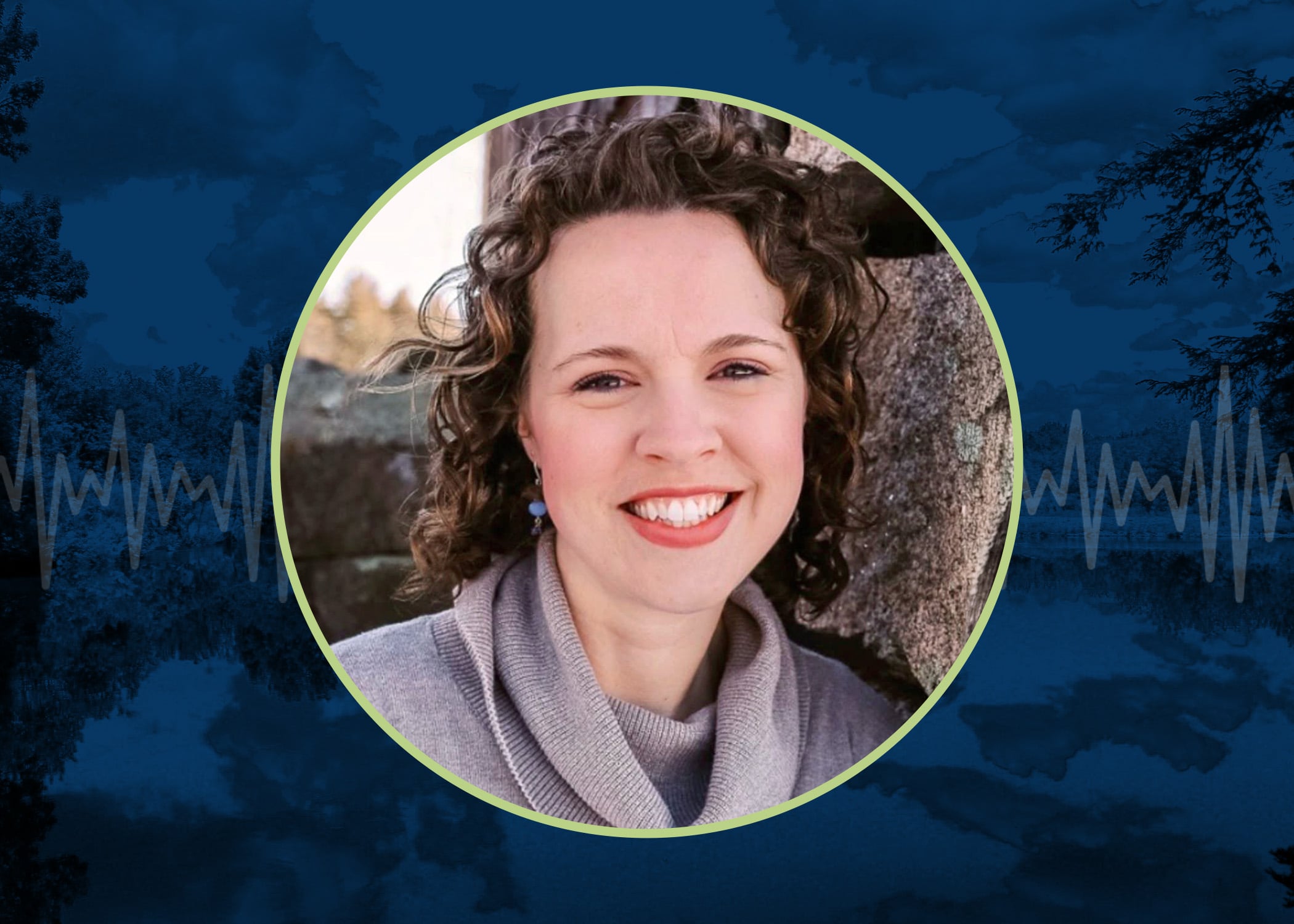
Julia Edwards is the 2026 Maine Teacher of the Year. With 16 years of choral and piano teaching experience across rural K–12 classrooms, she is passionate about creating meaningful learning experiences through music and curiosity.
In this episode, Edwards reflects on helping students become informed, engaged learners. She shares how student-led inquiry, cultural exploration, and community connections can help students take greater ownership of their learning and continue asking questions beyond the classroom.
Key Topics Covered
- The importance of curiosity and gratitude in learning
- Using music to explore different cultures
- How engaged students become co-authors of curriculum
- Encouraging students to ask better questions
- Building community through shared learning experiences
- Advice for new teachers
- And more!
Episode Guest
Listen Now




Episode Transcript
Please note, this transcript is generated by AI and may include some errors.
Spencer Payne: Okay, here we are with front of the class real stories from real educators. Real educator today sitting here joining us, Julia Edwards. Julia, how do you introduce yourself to other educators? What do you like to highlight?
Julia Edwards: Sure. Well, my name is Julia Edwards. I'm the 2026 Maine Teacher of the Year. I'm also the 2025 Anderscoggin County Teacher of the Year. Maine has a County Teacher of the Year program. And I teach choral music and introduction to piano at Poland Regional High School and Bruce Whittier Middle School in the little town of Poland, Maine. If you've ever had Poland Spring Water, that's from our little area.
And it's a rural community in the middle of Maine, but there's a lot of richness here, and I really love this community. It's my seventeenth year teaching and I've taught all levels from kindergarten all the way through twelfth grade and absolutely love it and I'm excited to talk to you today.
Spencer Payne: perfect. Thank you. And I love you. Congratulations on all the accolades. well deserved. And can you share a little bit more too of like, you know, rural school in Maine? For those of us who are picturing what Poland Spring Water's natural educational atmosphere looks like, can you can you just help with like when you when you when you look out at your classroom, like what do you see? What are the demographics? Like how many students are in your class? Like, what does a rural school in Maine look like?
Julia Edwards: Thank you.
Absolutely. So we have about 500 students in the high school, which is pretty typical of a regional school in our area. So most of the schools in rural Maine are consolidated. So it's three to four towns who come together for each high school. I I always like to say that I do have lots of diversity. It's just not the like ethnic diversity you might expect when I say that word. we I do have some new Mainers who come to our school, which is great. Most of the students I teach are from families who have lived here for a while. but we also, it's funny because we're rural, but we're pretty connected to the rest of the state. So we're not too far from I-95 and Portland, which is our biggest city, is only an hour away, probably 45 minutes from this town. and then we have our another bigger city that's only about 20 minutes away. So we're connected to a lot of things.
But you will see a lot of woods. You will see some nice backroads. what I love about it is that I think it's pretty easy to underestimate the rural communities and what they are capable of. really that sense of community is so important. They're really good at lifting each other up, at supporting each other, at like embracing who each other is. I think that's one of the things that people don't always expect out here is that
People live very different ways all in one space. And somehow there's a lot of just like being glad that I am me and you are you. And they they coexist really peacefully. So I love that there's a lot of balance in my town, I think. and just yeah, that strength of community is so special. you don't always get that everywhere else.
Spencer Payne: Yeah. And teaching music in more of a rural community, one one might estimate, like, hey
How important is that? Like, do they have d do people have pianos in their homes? Like, how do you how do you approach kind of teaching music in a in a community like that where and and correct me if I'm wrong, there might be more, hey, what are the hard skills? How do we actually like we got we might have to go do some things outside before we come to school? How do you I guess can you help me understand? yeah, are are there some, you know, farming communities out there rural, people who are going to work before school starts? And how do you weave in kind of music into a well balanced educational platform for folks who are you they they might they might have jobs to do before they ever come into school.
Julia Edwards: Right, right. So we have we have less farming in this area than we do. There there's quite a few folks who work in the lumber industry and stuff like that. But as far as my students, not a whole lot of them have to work before school or anything like that. one of the things that is interesting to me is that there are quite a few of them who might not ever leave the state. many of them will, right? Like many of them will be world travelers and or or you know, they'll go to school in Boston and then they'll kind of take off from there.
But there's also this really strong connection to where we live for a lot of my students. And so I think that is both a beautiful thing and also all the more reason for me to use music to help bring the world to them. to give them a chance to experience something from another place in the world where they might not have an opportunity to go later on in life. Or if they do have an opportunity later in life, to have the tools to interact with somewhere else in the world.
so I really love that. And I've been really proud of this community for showing enthusiasm for that. I think everybody enjoys having a chance to glimpse into a different cultural experience through music. So that has been really lovely. I think the other thing is there's this I don't want to say the word elitism, but there's this thing in music and music education where once you get to a certain point in your career.
Or once you've earned certain accolades, people will often say, geez, you could be teaching in a bigger program, you could be teaching in a bigger school, you could be traveling with your all the all these things, all these you know, kind of milestones, I guess. And I really love the idea of digging in here and making sure that everybody realizes that I think these students are just as capable as students in a bigger program. They are just as worthy of getting all of these experiences and this information and these skills as kids who might already have access to more. So that's that's part of my passion for being here too.
Spencer Payne: And building curiosity was something we chatted about a little bit and you kind of alluded to that of well, hey, we'll bring music from other cultures, et cetera, in into the classroom. like let's talk about building curiosity. How d how do you do that? What does that mean to you and how important is that to to how you approach teaching in your classroom?
Julia Edwards: So I think I think the best learning is based on curiosity and gratitude. when we really, when we really really break it all down, being curious, having a moment of wonder, noticing something and then wondering something about it. that's how we like are led to learning. And I think we absorb it through gratitude and an understanding that it's meaningful in our lives. So it started out, I think the biggest piece of this picture is that for a long time in the beginning of my career, I saw myself, we talk about like delivery of instruction when we're talking about pre-service educators and and and teaching them how to teach. And that idea of delivering instruction is what I was doing for a long time. And this idea of like I was delivering information. A lot of really good music teachers will consider it their responsibility as they should to provide information about what the students are singing.
And that's really important. And I'm really glad that my colleagues do that. It got to a point in my teaching where I had to make a difficult decision about a piece based on information I had found. And I decided that rather than creating, you know, just unilaterally making the decision, I decided to include my students on the process of how I reached that decision. And they reached the same one before I could tell them what I had decided. And it kind of opened my eyes to the fact that.
Rather than being a deliverer of information, I really am should be a leader of learning. How do I lead them through the process of learning versus just like dump this information in their lap and say, okay, now let's sing the song? and so the students were kind of craving more. They said, Wow, we wouldn't have known this if we hadn't gone through this process with you. Why aren't we doing that with all of our music? And I thought, geez, you know, why aren't we? Why aren't we? This is the yeah, that's it's kind of crazy. So I said, you know what? I'll go find a system.
That we can kind of apply to our music learning process and we'll do this research together. and I looked and I looked and I reached out to college professors and humanities folks and and all of the people I knew who were into research or learning about cultural artifacts. And there wasn't just a a lens or a framework you could use to apply to these different experiences and these different pieces of music. What I was frustrated by as a result of that is I wanted them not to leave with information. I wanted them to leave with a system. I wanted them, you know when I when they leave my door for the last time, I think about what are they taking with them.
And I wanted them to leave with a system of getting to information, especially because culture is dynamic, you know, like culture is always evolving and changing. And so when we're learning about the cultural context of a piece, it's really important for them to have a clear sense of how to get to the information more than that I am the source of all of the answers.
Spencer Payne: Yeah. And that can manifest instead of this song was written in this year by this person, facts, delivery of information. why was this song written in the first place? What was the what was the reaction when it was written at the time? was it as popular then as it is now? Was it more popular then? Has it declined why? Like th there's a whole bunch of interesting questions you can start to go down. I'm curious like, are there any specific examples of pieces of songs, et cetera, that you bring to the classroom. And it might be, you know, yeah, what can you share a little bit more about your process? Right.
Because I'm I'm envisioning almost like playing a song that everybody knows and they've heard it a million times, but put a new lens on it of like, why is this song so popular? Or how did this happen? Is there any examples that you can share of how you bring this curiosity to potentially songs, music, et cetera? Maybe that people already know but never thought about through the lens that you're describing.
Julia Edwards: Right. And I and I love that you asked the question that way. So there is a framework that I kind of built my questions off of, and it's Rudine Sims Bishop's Windows Mirrors and Sliding Glass Doors. And I kind of feel like music is always a sliding glass door. So we take the music we're learning and we take either a Windows approach where we are looking into the experiences of someone who doesn't share our own experiences or the mirrors approach, which is something that's more familiar to us, maybe mirrors our own experience more. And so what I love to do is start with a mirror song. And so that every year is a Star Spangled Banner.
And what I love about it is that we start with all of the students saying what they know. I teach them the national anthem every year. And so it's a really nice way to get them to kind of position themselves in where their understanding is around something that they should be fairly familiar with. What's cool about it is I have students who start out with like strong feelings one way or another, right? It doesn't even matter which direction they head in, but they'll start out with strong feelings one way or another. And then as they learn about the context, they're able to shift their own position, not in their belief systems, because that is not my job, right? Like my job is not to influence their belief systems, but my job is to allow them different access points to an idea that they can engage with.
You know, and so it's really cool. So the process looks like this. For the Sarswango Banner, we do what's called like a jigsaw model where there is a there is a slideshow that has different slides for each question. The students always get three essential questions that are ungraded but designed to help them reflect on their learning. So the first one is how do we inform ourselves as musicians? Why is it important that we are informed as musicians? And how does what we learn about the music impact our performance of it? So that they continue to answer. But then within each piece, I have research questions that are usually based on the same. they shift a little bit for each piece sometimes.
But so it's usually kind of like what you were saying: where does this music come from? How did it get here? who benefits from its publication, from its performance? they're usually really excited about that one because often we will find that there are like there's a great piece, Aloha Oi, that the Alex Schumacher version, the proceeds go to an a Pacific Islander information center. So it's really cool. Like it's getting reinvested in the community that it came from. And then also what what do we know about its origin and the connection that we have to culture bearers or information to perform it in a way that's respectful. So you know, we're never gonna be culturally authentic, but how do we make sure that the way we perform it is respectful?
For the Star Spangled Banner, that's going to look like my hat is removed, my arm is my hand is over my heart. You know, so it looks different for each piece. for a South African piece, it might be we're going to begin standing steady and then we're going to add movement as we sing, because that is the cultural expectation of that style. So they dig into the Star Spangled Banner. They get a sense of, okay, there's more than what I thought I knew. And I think that is the that's the spark that I start then fueling to build into that sense of curiosity. and then one of the pieces we've done recently is this Brazilian tune. This is the Windows opportunity now, right? And so the Brazilian tune, it's a combination of two folk songs, and they learn about the history of the folk songs.
Who the characters are in the folk songs, when they might have been sung. one of them is about this bandit in Brazil who was this famous bandit and became a folk hero. And they kind of learn about how Brazil had its own Wild West in the early 1900s. And so all of a sudden they're like, Well, we had a Wild West in the late 1800s, early. And so they start to make these comparisons and notice what they share in common. So I love that they take a mirror and it almost becomes a window because they're realizing what's different than what they thought they saw. And then they're taking a window and it almost becomes a mirror because they're finding those common ground places. So it's really cool.
Spencer Payne: and yeah, what what are some of the things that you see from your students when going through this approach versus say maybe 10 years ago before you went through this approach or 15 years ago or whatever it was before you kind of shifted your approach to this? You know, I'm I'm envisioning in my head kind of a classroom 15 years ago of here's when this song was written, here's why it matters next, here's when this song was written, here's where it comes from next. And now all of a sudden there's all these questions of like, well, hey, did you notice like, yeah, when this song comes on, we stand up straight.
We remove our hats, hand on heart. Why why do think that is? When when you kind of introduce some of these questions, like how is the how does the energy of the room change? How is it different now versus before you were kind of doing things? What are the questions you're hearing? What's the engagement you're hearing? What is how how does the liveliness of the room changed since kind of introducing this? Like what's the reaction that you're getting from your students?
Julia Edwards: it's so awesome. one of the things that I've had to be okay with in order to make this happen is not being the center of the learning, right? Not being the so first of all, if I Yes, it feels like I'm not doing my job. Right? Like it feels I it's so funny. I mean, the first time I had section leaders lead a rehearsal, I knew how good it was for them, but I felt like I wasn't doing my job and it was so hard.
Spencer Payne: Which I suppose can be kind of difficult, right? Because coming up training right? Yeah, yeah.
Julia Edwards: Feel like I was working hard enough, you know? and I think that's something that we the educators are getting better at. But yeah, we have, and especially in music, especially in ensemble music, where we have what we call podium culture, where you know, you get used to training in the front and center of the ensemble. And then how do you how do you like humble yourself to be in the background while they are taking the baton, literally? and and really running with an idea or a performance. So in this case, it usually is group work when I when I do these assignments. And what I love about it is I'll be helping one group in one part of the room. And then all of a sudden I'll hear someone in another group say, my gosh, wait, are you serious? I had no idea. Wait, hold on. Is that true? And then they start to ask more questions and they start engaging with each other.
And I always create the groups so that there are some experienced leaders in the groups and then some folks who are maybe newer to the process or newer to the school. And so I love it because there's so much modeling happening from my students to my students. There's so much engagement and curiosity happening across those groups. And then one thing I love about the jigsaw model is for those who don't know, it is where the students are put in an expert group to address one question. So they're deep diving on one part of the assignment.
And then they get into what we call the jigsaw groups after, where one person from each expert group is represented in the in the jigsaw group. And so the sense of belonging that it creates, where they own that information now, right? They are the owners of that information and they get to share it with the group and they have a purpose there. And so it's just wonderful. And and I I wish, I wish I had known to do it earlier in my career. I've really enjoyed seeing the process shift. And I have to say, like I consider my students my co-authors of the curriculum because they really have guided so much of that process. They've really engaged so much with it. I guess the only other thing I want to add is I had one student, you know, you're talking about what what does it look like in the classroom? How's the energy shifted? I think equally as important is how they leave my classroom now.
And I've really I've put so much thought into like what what is between their ears when they leave my door for the last time and I don't get to be their teacher anymore. And I had a student who went to a museum, and part part of this curriculum is that it's it is curiosity, right? It's all built on curiosity. I am not here to cancel anything. I am not here to shut down any ideas, I am here to engage in a process with my students. And so we open conversations if we find something that's problematic. We don't just like shut it down. And so I had a student who went to a museum and saw an artifact. And what was written underneath the artifact was incredibly vague. And he wanted the culture that it was representing to be fully represented. And he just wrote a very polite letter to that museum and said, Hey, I've been learning a lot about interacting with different cultural artifacts, and I'm curious to learn more about this. Could you provide more information?
And so he was he was engaging and creating a conversation based on recognizing that he knew there was more to learn than what he had provided for him. So that was really cool.
Spencer Payne: yeah, especially to see that from a gen genuine curiosity and not accusatory. I know there's more to the story. Why aren't you providing it? Like no no no, no accusatory. Let's just like let's just un like understand. Like I I'm curious. There seems like there's more to the story. Can you help me understand more of that story? yeah.
Julia Edwards: Yes, and it builds, right? It builds instead of destroys. And I think that's really important right now.
Spencer Payne: can you share anything about the Star Spangled Banner that maybe you have learned as a result of however long you've been approaching it with the jigsaw method and this different this different way of approaching things that you've been surprised by or that you have learned that maybe you didn't know because the kids' curiosity was then brought up on you, and you're like, actually, I don't know. Maybe I never thought about that either. Is there any is there anything that you have learned about that song over the years as a result of opening up this level of curiosity in your students that then opened up some curiosity in you.
Julia Edwards: Right. that's such a good question. yes, I think the it's more of a question that I end up with, I guess. And that is that you know, it is the Battle of Fort McHenry, and and the the narrative is that he was captured. so Francis Scott, he was captured, and was trying to like see what was happening with the battle outside of outside of the walls. And and what is interesting to me is that while I understand that it is representative of we weren't sure what was going to happen, but then the bombs bursting in air and the rockets regular, like all of that gave proof that the flag was still there. So so
I was able to see these fireworks, you know, over the ramparts of the barricade I in, and was able to see, wait, no, we're we're actually victorious right now, like we're actually gonna be okay. And I love that. I love that imagery, I love that message. And at the same time, my question is when you think about what a national anthem is, and that the whole point of it is like to unite a whole bunch of different people under one purpose, one common common goal, right?
I'm always wondering why our national anthem is based off of like this one event, like this poem from one event, versus like singing about our country in general. And, you know, so so the students often ask that question. And I think, you know what? That's a pretty good question. Like, why, why are we singing more so specifically about the flag and so specifically about this one event that happened? I mean, it doesn't it doesn't reference for McHenry. I think the context then helps, right? And then they learn the fuller story and that we like didn't even have an anthem before that and had to kind of say like, well, this is this is a good idea. This one works, you know. So yeah.
Spencer Payne: And and by the way, that was where I was gonna go too of just like that opens up questions like, well, what was the national anthem before that? wait, that's right, there wasn't one. Or how long did it take before that song was written and played before it became the national anthem? What's the story behind like again? You just open up this box of curiosity. It becomes like there are so many other interesting aspects of that story. I'll be I I don't exactly know all I don't know all of these. Even this is sparking my own curiosity of like, yeah, how that was the war of eighteen twelve, right?
How long after that was that the official national anthem? Actually I'm not really sure. It was a I think it was a long time though. Yeah.
Julia Edwards: And it was like, I all I'm terrible remembering dates off the top of my head, but it was like the 1860s, I think, or maybe even like into the 1890s. I have to double check. I'm I'll be honest. Yeah, I usually I usually double check my numbers and dates before I teach them because I am not great at keeping them in my mind. But but I think that's that's one of the things that always surprises them. And I think part of it too is they hear all of the rhetoric and all of the conversations around like.
Spencer Payne: Yeah, I f I thought it was like fifty years later, I thought. Yeah.
Julia Edwards: Are modern issues around these things, right? So they have parents who have feelings about the national anthem and exactly what should happen during the national anthem. And my job, I remind them, my job is not to tell you which feelings to have. My job is to give you more information so that your feelings are well supported by facts, right? And so whether you decide to stand or kneel or whatever your actions are, my only hope as a teacher, especially in public education.
Is that those actions are well informed by the the facts and the context of what you are responding to? yeah.
Spencer Payne: Yeah. And that's not to mention now you're we're weaving in as a another note too, music through this particular song can now weave in a little bit of US history and some sense also of you know, this the human condition of like could could you imagine if you were captured at this battle and you're in this kind of holding cell?
And you're just staring out and you're wondering, like, are we losing? Are we winning? Are we annihilated? Like, what's gonna happen to after? Like, could you imagine being like put yourself in those shoes? Imagine being that person in those shoes. and then kind of like writing this song amidst all of that, right? Like, put yourself in that place right now. You've just been fighting hard fight. You're captured, you're not wondering what's gonna happen to you. You're staring out this window, and you write a
You do what you do. You do you do what you know. You write a song, right? How how did he have a how did he have a pen? Anyway, there's a whole bunch of other interesting questions that go to that.
Julia Edwards: Right? Well, the cre Well, I know. And and the the other I know, I wonder that too. But the other thing that's crazy to me is like he didn't even write a song, he wrote a poem. Right. Because John Stafford Smith, so the melody, this is the other piece that that blows the students' minds. The melody is a Greek gentleman's club song from England. And so the one of the biggest questions we ask is, okay, why did we take this British melody for our, you know, United States national anthem? and the other thing is then we s then we can start talking about, well, America, my country tis of thee, that's God save the queen, which is their anthem. So we get we get talking about what it means to take something from a culture of what we perceived to have been an oppressor, right? and take that and say, okay, well, now this melody is our national anthem.
And what what is the message that that's sending to? So there's so much to it. I try not to get too far into like it's so easy, and you know, we're doing it now. It's so easy once that little engine starts to go down all of these different rabbit holes. And so I try to keep it at least structured enough that they're seeking targeted information. But what I love, again, is that
Spencer Payne: Yeah. Yeah, yeah.
Julia Edwards: The learning doesn't stop at my door and it never should. And so I don't want them to compartmentalize their learning. I want them to be making these connections. I want them to be leaving my door and asking more questions. I want them to be thinking about it later on that day, the next day. so, and one of my favorite things, I think this is important to note, is that I love getting to celebrate being wrong with them. So
I love when I had previously thought something or had some information that has either changed or more information's available, and my students are the ones that find it, and they say, Hey, wait a minute, Mrs. Edwards. I actually found this and I don't know if that's correct. And they're super respectful about it always. But I love it because then I have a chance to model what it looks like to receive new information and to adjust your perspective or adjust your understanding. and I think that is also really crucial in this day and age that they are able to see me as somebody who is educated, as somebody who's working really hard to have the right information, say, you know what, actually, that, yep, you've presented me with new information. And so let's work with that, you know?
Spencer Payne: Yeah. Yeah. Yeah. Yeah. Because what when the facts if the fact if the facts change or especially the critical facts that underlie the assumptions that I make to make a decision, right? Because not every fact is equal. That's also part of the conversation, right? But if I'm making a decision on X and the three critical pieces of information that I am relying on to be true, false, whatever, to make decision X, if number one of those is actually like, that was that's actually been proven to be incorrect. maybe that will make me change my decision. But fact number seven, that wasn't part of my decision making process. If that I was off on, you might say, like, here's why I actually don't think that's going to change my decision, et cetera, et cetera.
So there's again, there's a fascinating nuance behind that. one thing I do want to hit on too is this concept of again going back to feeling like you're not doing your job with this kind of curiosity based. And you know I think it's it can it could be easy to egos get in the way, all kinds of things of, you know, especially maybe for folks early in their career to think, hey, l look how many facts I presented to the kids. I'm doing such a good job, right? As opposed to, and I don't know if this is how you think about this, but I'm curious, like, as opposed to maybe look at how many questions came back the next day or the next week where the kids said, I went and talked to my parents about this, or I went and looked this up, or I went and watched a documentary where they're they're showing that they're actually thinking about this even beyond the classroom.
And it like it's instead of me saying, I said a hundred facts a minute today, right? As my judgment of being a good teacher, it might be I got in the last month seven inquiries or or anecdotes where the kids were looking things up outside of the classroom. That didn't happen when I was viewing a hundred facts today. The point being is like, how do you even structurally kind of change like, how do you kind of judge for yourself? If is this working? Is it not? How do I change my mindset that I'm saying all these facts at a dispenser of information to actually I'm a dispenser of curiosity? I want more questions coming in rather than facts going out. I'm just curious, how do you think about that? And how have you kind of gone from my gosh, am I doing my job? Am I a bad teacher? to actually this works.
And this is why I'm judging or what is the basis upon which you look and say, like, this is why I think this is working. This is my new basis of what success looks like in this new this new curiosity based learning model. That was a little bit long winded question, but I'm curious, like how do you think about that? Cause I can imagine that could be a struggle from from this shift from dispensing information to soliciting curiosity. Those are two different things.
Julia Edwards: Yeah, I think that's one of the reasons it's harder for us to make that shift is because especially, you know, there there are all these tests that students are taking and all of this data we're trying to collect because we want so badly to be able to quantify what's happening in our schools and our classrooms. And I understand that desire. I had the same question that you just asked me, and so I collaborated with Dr. Jason Bowers at Louisiana State University.
And we actually ran some action research with my students. and the the questions really surrounded their perception of the curriculum and how their thinking had been impacted by it. And so we were able to, through some qualitative research, get a sense of what they really believed they were gaining from the curriculum or or not gaining, right? tried to make sure it was really open to them that they knew that their responses had no impact on whether they would get a good grade in this class or anything like that. and it was really cool. Like one of my students said in her interview before chorus, I never had a desire to wonder. And I think it's different than I never wondered about anything, right? She was saying, like, I now I like want to think more about things and see where it lands me. and so I thought that was really powerful.
But that was a cool opportunity for us to really take a magnifying lens to what are the students actually gaining from this? Do they feel like their thinking processes have shifted, right? I think again, I'll say it a million times, but my goal is always for them to increase the and expand the ways that they are thinking, not what they end up deciding, you know? That's the the part of my job that's so important is the processes. And so that was a really cool opportunity to to hear how the students were impacted by the curriculum. And also to to get a chance to refine it when some of my students said things like, I feel like I don't always have the research skills to answer the questions. A lot of freshmen that we interviewed talked about feeling like they hadn't had enough school yet to feel like they could pour through the sources and find the information.
Awesome. Now we scaffold and teach them a little bit more about the research process, you know? I think the other thing is I have started thinking about, I haven't done this yet, but I'm excited for this step. One of the things I want to start doing is including a part of each assignment where they have to write their own questions at the end. Now that you've learned, and part of that comes from the conversations I've had with you, right? Like what have you already learned? And now what new questions does that open up for you and start grading them. You know, we we do standards-based grading here. So it's a little easier. I'm not going scale, you scale to 100. but I can then qualitatively say, what kinds of questions did you ask? And are they questions that will lead you to some kind of answer?
And you know, we could talk about like how do you there's a great there's a great book about teaching students how to ask questions. I think it's called Change Just One Thing or Make Just One Change. but but it...it's so important that they know how to ask good questions and and get to the information since that's that'll always be different when they leave our classrooms.
Spencer Payne: Yes. Yes. Yes. on going a little bit of a different direction. Actually one one more question on this LSU study. Was any any surprising results that that came of that? Anything that you were surprised by, good, bad, indifferent, that it was just like, that's not how I thought that was going to that's not the result I thought this was going to to end up hearing from the students. Any any surprising findings?
Julia Edwards: Yeah. one of the questions we asked was, is there anything about this curriculum that i is problematic or you can you find problematic or s or something along those lines? and I honestly was expecting more of them to talk about how difficult it can be to learn about things that we might already have feelings about...regarding the windows pieces like other cultural experiences that don't mirror our own, they had more trouble. They had more difficulty learning about the mirrors pieces, the pieces that they already felt a connection to. They found more difficulty examining that than digging into learning about a a cultural experience that was not their own or a cultural style or whatever.
I thought that was really fascinating because I think w you would expect, especially in a little rural town in Maine, you would expect that they would struggle more to understand those the connections between them and somebody from two hundred years ago halfway across the world. but actually they struggled more, yeah, with with their own cultural artifacts with with things like the Star Swangle Banner or pop songs that we would do that they already had feelings about. So that was interesting.
Spencer Payne: Hmm. Yeah. I supp yeah. I wonder if some of that's just coming from a complete blank slate versus coming in with some knowledge, some facts, et cetera, and then having that be, you know, opened up through questions. I anyway, be curious. That that sounds like a fascinating study. Would love to actually hear hear more about that. Yeah. Yeah. any proudest moments over the 17 years in in teaching that rise to the top for you? Anything that
Julia Edwards: Totally. Yeah. I think you're right though. Yeah, I think you're right.
Spencer Payne: You know, one day that one student who was tough to reach all of a sudden asked a question for the first time and I like again I'm making this up, but like any any proudest moments after seventeen years that you still look back on and just still make you light up or smile because it was such a great moment, great day, great class, whatever it may be.
Julia Edwards: Yeah. there are two that I always go back to and and they're pretty quick, but we have a junior community service day. And my third second third year here, second year here, my second year here, I was in charge of bringing a group of juniors to a memory care facility in town. And when they signed up, they knew they were going to a memory care facility. They did not know that they were signed up to sing at the memory care facility. I knew.
Spencer Payne: Did you know? Okay.
Julia Edwards: somehow my little blurb about what we were doing did not get updated in the signup sheet. And so I had agreed, I had talked to the the facilitator there and and said, Yeah, absolutely, we'll bring some music to you. So I got my, you know, American standards book out, and we, you know, and I made copies of these packets and the students showed up and I said, All right, here's your and I started handing out the music and they lost their minds.
They were like, we do not sing. You cannot make me sing. I didn't sign up for this. And I said, here's the deal. We just promised a bunch of elderly folks in our community that we were going to deliver something. And I'm not going to back down on that promise. And and I was terrified, but I knew it was the right thing to do to like show up and deliver what we said we would deliver. So they were very resistant. But we on the bus on the way over, I taught them like three or four songs, you know, goodnight, Irene, and all of those. And we got there and we sang a few.
And the folks sang along with us. And then we kind of kept going. The it's a progressive unit. So as you go through each ward, it's people are farther along in their memory loss. And so there was one case where there's a woman who was essentially catatonic, wasn't moving, wasn't speaking, her eyes were kind of fixed on the same point in the room. And I sat down next to her and
And one of the aides mentioned a song that she liked and I knew it and I so I started to sing it. And she came out of her catatonic state and started singing along with me and smiling at me. And one of my students kind of watched and couldn't really believe what had happened and and was experiencing the power of music right in front of her eyes. And when we left, by the time we were at the last ward, they were all singing along. They knew the songs by now, they were all singing, and then when we left, I think I had 14 students with me, and seven of them grabbed volunteer forms on the way out to volunteer at that facility. And then six of them joined chorus who had never done it before. And it was just that power of seeing community come together and seeing the the power of music happen and what they felt like to be singing in that space. and they wanted more of it. So that was really, really cool.
Spencer Payne: one very quick question for other teachers out there who maybe you're listening and are wondering, how do I make a field trip, especially a field trip to a memory facility, something that the kids actually like? Even if I don't raise my stakes to like half of them are gonna volunteer, even if don't raise my stakes that high, but something that will be memorable, that they'll enjoy, that maybe they have hesitation going into, but then afterwards are like, I'm glad I did that. any couple things that you might share of like what made that
What made that go so well? Like how was how like again what are some things that s if someone else wanted to recreate that field trip that you would share, keep these couple of things in mind to try to help set yourself up for a for a good day and for the learning that you're hoping they're gonna get out of this experience. What might you share?
Julia Edwards: Yeah. I gave them a really clear sense of what they might witness as far as behaviors and reactions. I ha I already had a sense of what might happen and and a lot of it did. so that helped giving them just a little bit of that front loading of you know, here's what happens, and also checking in with them. What are your experiences? A lot of them have family members who have memory loss. and so getting them to kind of have a a quick little like.
Not a debrief, a pre-brief, if if you will, but so kind of front-loading that little previewing of what's gonna happen. And then I think like re for me it was really reinforcing these are members of our community. And we are, we are a giant family. We are, we are one community, and we take care of each other and we show up for each other. And that's what community means. And so I think we are inherently connected to each other and feel ownership over each other as community members, as neighbors, and ownership of each other's well-being. And I I I have never had a situation where I've brought high school students either, especially intergenerationally, right? I think this is so crucial. I've never had a situation where I've brought students to visit another generation, whether it's older folks or little ones, where they haven't entirely stepped up their game.
And found themselves feeling responsible for the health of that relationship and and engaging. And I think that says a lot about the human condition, you know, and and like what we were talking about before, just like how do we how do we remind them of these human experiences that are so important? And so for success, I think, yeah, making sure that they're not surprised by any well, there will be surprises. There was one gentleman who tried to kiss me while I was singing. So like there we had a few, we had a few moments where they got to see me model some calm under pressure but I think and then the other part is that modeling, right? It's just you know, you you preview what they're go what they can expect and also let them know that there might be things that that we don't expect and I'm here and I will help guide you and you're not doing this alone.
And there might be moments of discomfort for you. but your job is to kind of connect and try to see that common humanity. this is someone who ha who is a teenager, you know, this is someone who probably sang in their own chorus. This is someone, and then the other pieces, music does the job for you. Like, if it especially in this case, I I don't know if that's always gonna be in other people's field trips, but like I always my whole my whole platform for this teacher of the year year of service is like music can do that. And when we whatever it is, music can do that, and when we let music do its job, when we let when we create space for music to happen.
Julia Edwards: for people to engage with music, for our communities to engage with each other through music, so many of the problems that we worry about go away, at least for a moment, you know. so I think that's a really powerful piece, especially when it comes to memory care. because of all, you know, we know all the research with Alzheimer's and dementia and and the power of music to access memories that they don't always connect to. So yeah. Hmm.
Spencer Payne: thank you for sharing. And a couple more just very quick hitter rapid fire questions as we unfortunately get close to wrapping up. if there was one piece of advice that you could share to a brand new teacher who's in their first year and maybe wondering, gosh, I love what I heard, but do I have the strength to get to 17 years to have to do what you do? what piece of advice might you go back and give that teacher or or give yourself in your first year?
Julia Edwards: I think it's not gonna sound as romantic maybe as some answers, but like show up and show up prepared. so much of how your day goes is based on how you show up in the beginning of the day. And you know, there's a lot of conversation lately about protecting these boundaries in time and you know, the self-care piece and and all of that. And honestly, you know, the it is really hard work. It is really hard work to start a career in teaching.
However, if you lay that foundation and you put all that work in when you are young and you can and you can focus on it and really invest that time to be fully prepared, it makes all the difference. and I even went as far as scripting some things out so I knew I would communicate clearly. but but I think that I think we underestimate, undervalue that simple fact of like continue to show up and continue to show up prepared. And then later on that that hard work you put in, you start to be able to ease up a little bit.
Spencer Payne: Yes. I can't tell you how many times I've done practiced scripts of how I want to say this in the car on the way to something. Goes a long way. Yeah. what to you is the single best thing about this profession, education?
Julia Edwards: Totally. Yeah, I still do it. I still. Like Yeah. The community. I love being so connected to the community, being connected to other colleagues, you know, folks in my in the music teaching profession, being connected to all of the students and their families. and just ha like I I consider myself to be a facilitator of community and I I love having this position to do that from.
Spencer Payne: And the single toughest, hardest thing about this profession, or if you had a magic wand and could fix it, where would you point that wand?
Julia Edwards: I think it's just so hard for people to get on the same page. And and I wish I wish I could like help other people understand. I don't know, I always find myself kind of stuck between two perspectives and seeing the value in both of them. And I wish that more of us were able to do that and come to a common place more easily.
Spencer Payne: Yep. And as a complete side note, again, as a student of history, which I find fascinating, if you go back and watch, say, John Adams as a mini-series on HBO, which is amazing, like we think, the American Revolution, everyone just wanted to revolt. Not even close. There were months, years of yelling at each other, we should secede. No, we shouldn't. Are you crazy? Like, none none of this stuff is ever easy when there's hard decisions to go make. yeah, last and last quick question: any final words of wisdom? Any new
Julia Edwards: A hundred percent.
Spencer Payne: Or or repeated, maybe something you already shared, but it's so important. We gotta say it one more time. Any new or repeated words of wisdom to educators?
Julia Edwards: I think the the biggest thing we can be doing for our students no matter what we teach, especially in the modern world, you know, they they are connecting plenty. I think we often think of them as isolated or disconnected. They're connecting, but I think the question is what are they connecting to? And how do we as teachers facilitate and guide those connections so that they're happening in a healthy way and they're happening with their communities? and that we are supporting some really healthy growth in our students through the connections they're making with their communities. I think I think that connection piece is really important. And I think the community involvement is really important. So yeah, I hope we I hope we all kind of think again about how we are guiding those connections with our students.
Spencer Payne: Well, Julia Edwards, some very real stories for a real educator. Congratulations on your hardware this year. and again, thanks so much for sitting down with us. Appreciate you.
Julia Edwards: thank you so much. This has been lovely. I appreciate it.

Moreland University can help you take your teaching career to the next level.
Whether you’re looking to get professionally certified or earn an M.Ed., our 100% online programs can help.
Complete your no-cost application (it takes less than 15 minutes!).